

Smile Makeovers
Creating a Healthier, More Confident Smile
A smile makeover may involve one or more dental treatments designed to improve the appearance, balance, colour, alignment, and overall harmony of your smile.
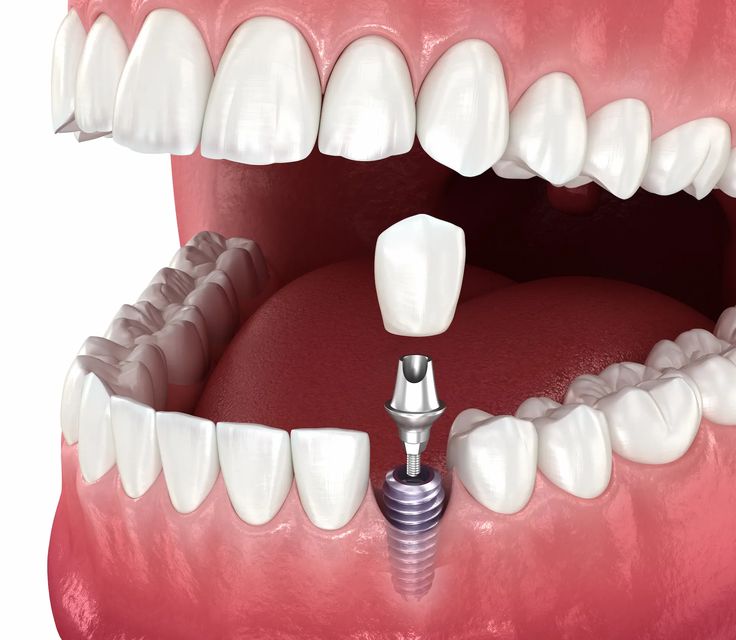
Depending on your needs, a dental professional may discuss options such as whitening, veneers, bonding, clear aligners, dental implants, or a combination of treatments.
Every smile is different, and the right approach should be based on your oral health, goals, budget, and clinical assessment.
What Is a Smile Makeover?
A smile makeover is a customized approach to cosmetic dentistry that combines one or more treatments to improve the appearance of your smile.
Common concerns addressed include:
- check_circle Discolored teeth
- check_circle Chipped or worn teeth
- check_circle Crooked teeth
- check_circle Gaps between teeth
- check_circle Uneven tooth shapes
- check_circle Missing teeth
- check_circle Excessive gum display
- check_circle Smile asymmetry
Treatment recommendations vary based on each patient's goals, oral health, and existing dental conditions.
Smile Design Process
Experience a transformative journey where clinical excellence meets bespoke aesthetic artistry.
Step 1: Consultation
Your dentist will discuss your concerns, goals, and desired smile outcome.
Step 2: Records & Imaging
Step 3: Treatment Planning
A customized treatment plan is developed based on your oral health, facial features, and cosmetic goals.
Step 4: Treatment Phase
Depending on your needs, treatment may include:
- check_circle Clear dental aligners
- check_circle Whitening
- check_circle Bonding
- check_circle Veneers
- check_circle Crowns
- check_circle Implants
- check_circle Gum contouring
Step 5: Final Smile Refinement
Once treatment is completed, final adjustments may be made to ensure proper aesthetics, comfort, and function.
Clear Dental Aligners
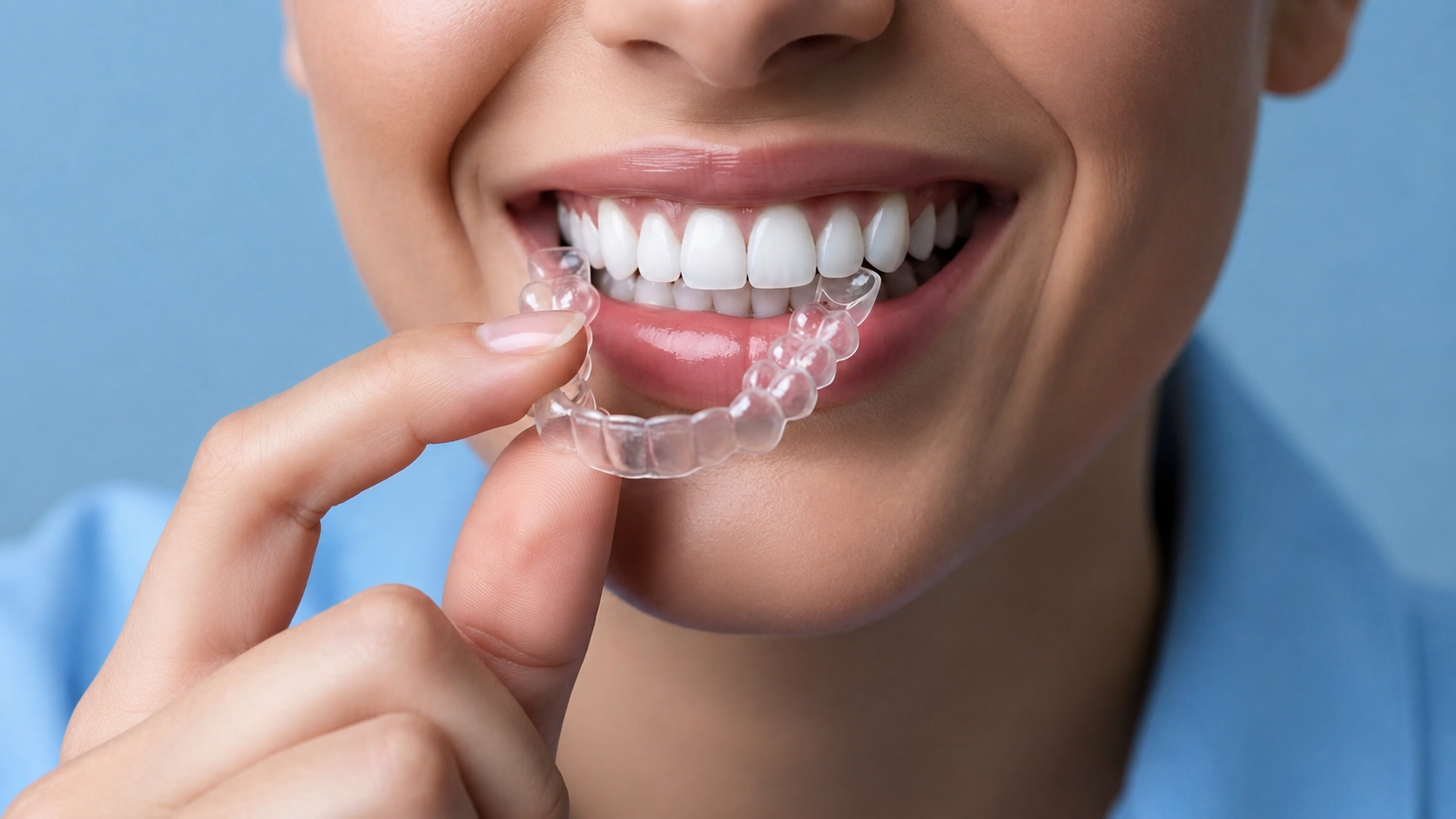
Clear Dental aligners play an important role in many modern smile makeovers.
By correcting crowding, spacing, and alignment concerns before cosmetic treatment, aligners may help:
Improve smile symmetry
Create more ideal tooth positioning
Reduce the need for aggressive tooth preparation
Improve long-term treatment outcomes
Many smile makeover patients benefit from orthodontic treatment before pursuing veneers or other cosmetic procedures.
Teeth Whitening
Brighten Your Smile with Professional Whitening
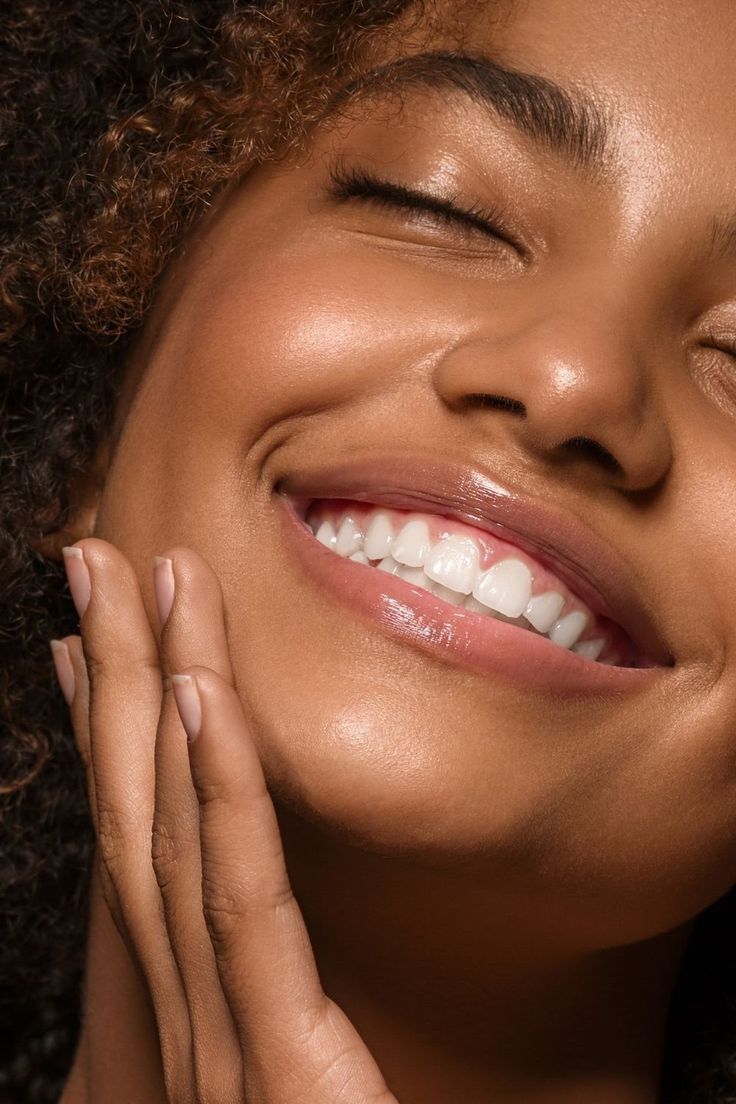
Professional teeth whitening is one of the most popular cosmetic dental treatments and can help improve the appearance of stains and discoloration caused by aging, coffee, tea, wine, tobacco use, and certain foods.
Teeth whitening is often incorporated into smile makeover treatment plans because a brighter smile can enhance the overall appearance of the teeth and help create a more youthful look.
Professional whitening treatments are generally more effective and predictable than many over-the-counter whitening products.
Types of Professional Teeth Whitening
Professional Whitening vs Store-Bought Whitening Products
Professional Whitening
- Provided under dental supervision
- Custom-fitted trays available
- Typically stronger whitening gels
- More even gel distribution
- Customized treatment recommendations
Store-Bought Whitening
- Self-directed treatment
- One-size-fits-most strips or trays
- Lower-strength whitening agents
- May result in uneven whitening
- General instructions only
Take-Home Professional Whitening
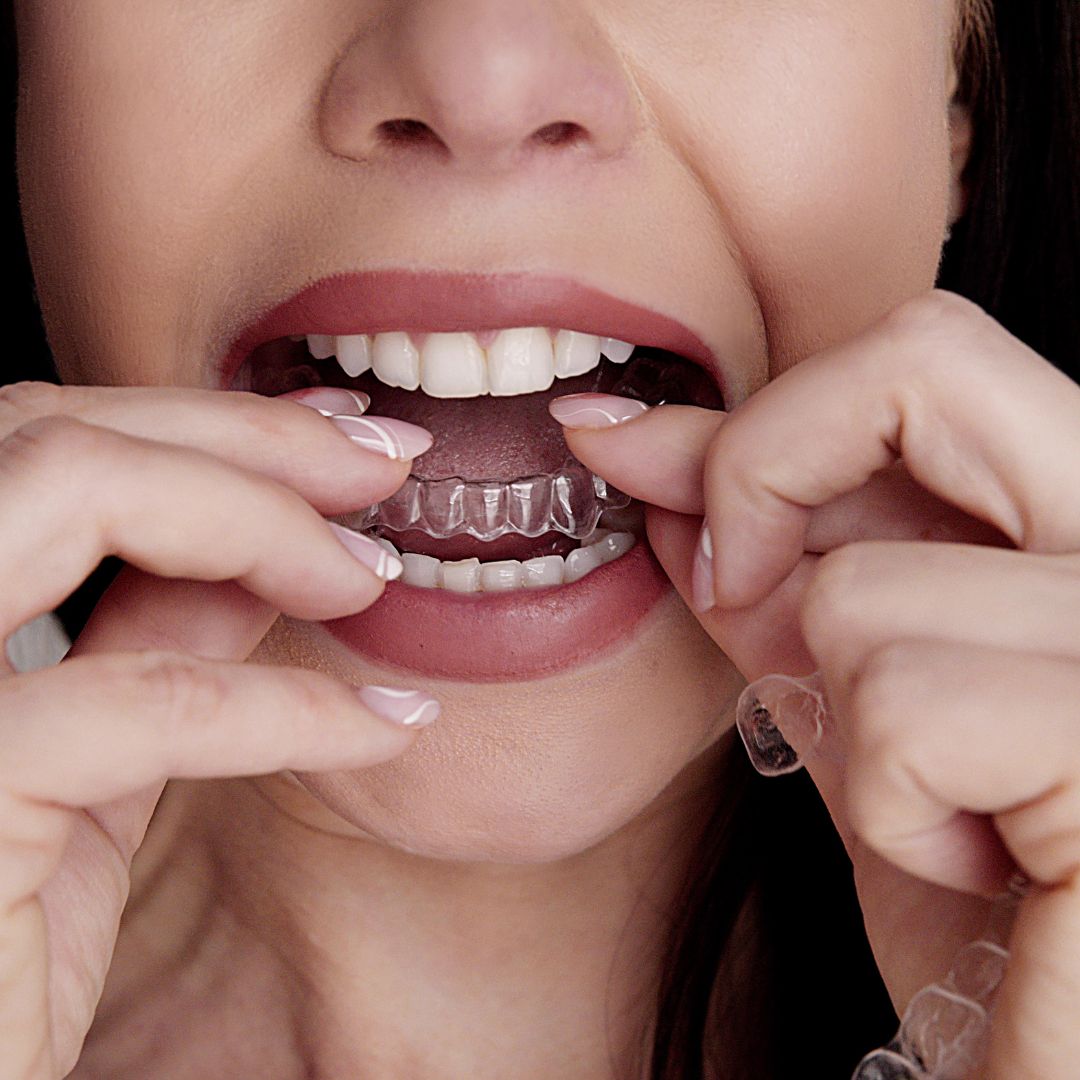
Take-home professional whitening systems allow patients to whiten their teeth gradually in the comfort of their own home.
The process typically includes:
- Dental examination to ensure teeth and gums are healthy
- Impressions or digital scans of the teeth
- Custom whitening trays fabricated specifically for your smile
- Professional whitening gel provided by your dental office
Because the trays are custom-made, the whitening gel is distributed more evenly and comfortably than with many store-bought whitening products.
Patients are typically instructed to wear the trays for a specified period each day, depending on the whitening product prescribed and the desired level of whitening.
Results often become noticeable within a few days and continue to improve over several weeks.
Benefits of Professional Take-Home Whitening
- • Gradual whitening process
- • Convenient and flexible
- • Custom-fitted trays
- • Ability to perform future touch-ups using the same trays
- • Often preferred for patients with sensitive teeth
Professional take-home whitening systems typically use whitening gels that are stronger than many over-the-counter whitening products available at drug stores. Because treatment is provided under the supervision of a dental professional and delivered through custom-made trays, the whitening gel can be used more effectively and safely while helping to achieve more consistent results.
In-Office Whitening
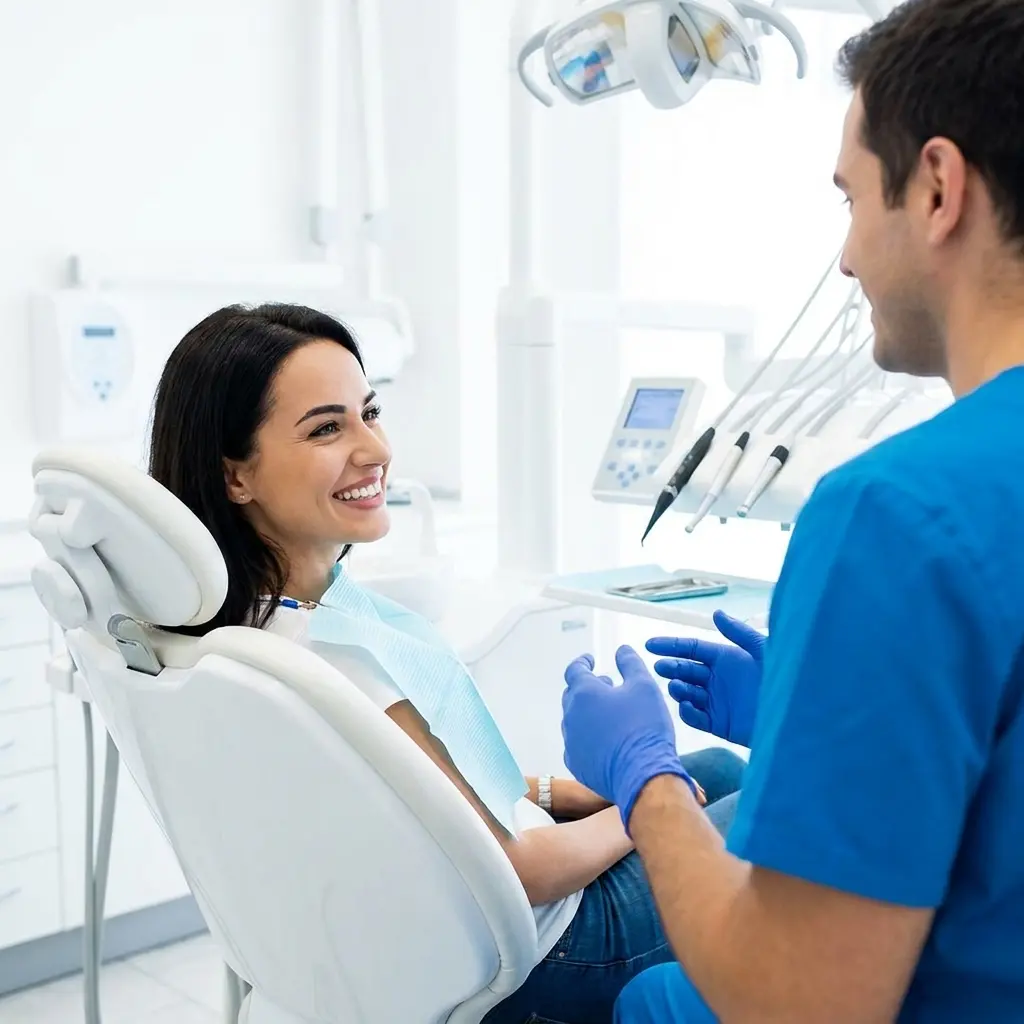
In-office whitening is performed by a dental professional and is designed to achieve noticeable whitening results in a shorter period of time.
During Treatment:
- Teeth are cleaned and prepared
- Protective barriers are placed to protect the gums and soft tissues
- Professional-strength whitening gel is applied to the teeth
- Multiple whitening cycles may be completed during the appointment
The appointment typically takes approximately 60–90 minutes, although treatment times vary.
Many patients notice a brighter smile immediately following treatment.
Benefits of In-Office Whitening
- • Faster results
- • Professional supervision
- • Ideal for patients seeking immediate improvement
- • Convenient single-visit treatment
What to Expect After Whitening
Some patients may experience temporary tooth sensitivity or mild gum irritation during whitening treatment. Occasionally, a small amount of whitening gel may seep outside the custom tray and come into contact with the gum tissue. This can cause the gums to appear white or "blanched" in the affected area.
While this appearance may be concerning, it is usually temporary and does not cause permanent damage. The gum tissue typically returns to its normal colour and heals on its own within 24 to 72 hours.
If using take-home whitening and significant irritation occurs, discontinue use and contact your dental provider. Your dentist may recommend adjusting the amount of whitening gel used or modifying your whitening schedule to improve comfort.
Tip: Only use the amount of whitening gel recommended by your dental provider. Using more gel does not whiten teeth faster and may increase the likelihood of tooth sensitivity or temporary gum irritation.
Your dental team may recommend products or techniques to help manage sensitivity if needed.
Whitening results vary depending on:
- Natural tooth colour
- Type and severity of staining
- Lifestyle habits
- Individual response to treatment
Not all discoloration responds equally to whitening treatment. Your dentist can discuss realistic expectations during your consultation.
The First 48 Hours
The first 48 hours following whitening treatment are important because teeth may be more susceptible to staining during this period.
Many dental professionals recommend following a "white diet" and avoiding foods and beverages that may stain teeth.
Foods and Drinks to Avoid
A simple rule of thumb is:
If it would stain a white shirt, it may stain recently whitened teeth.
Better Choices
Following your provider's post-whitening instructions can help maximize and maintain your results.
Why Whitening May Be Recommended Before Veneers
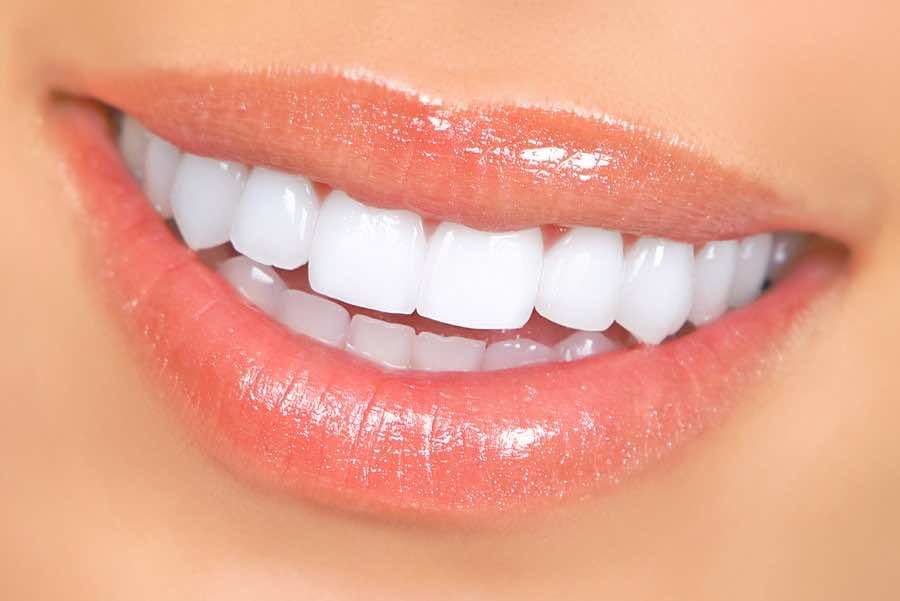
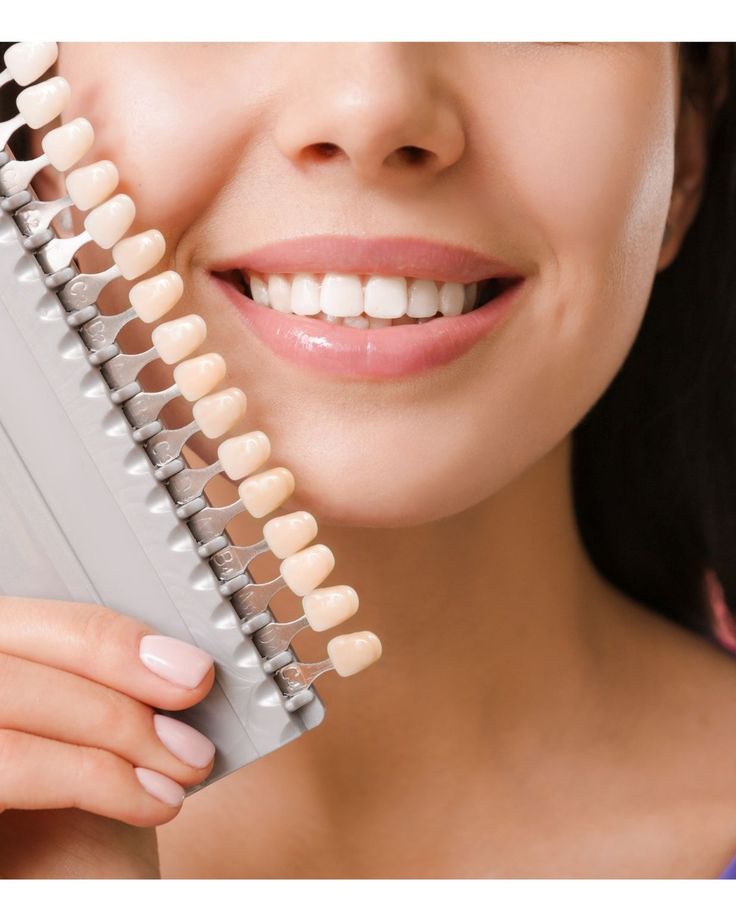
When only a few veneers or crowns are planned, whitening is often recommended before cosmetic treatment begins.
Natural teeth can be whitened, while porcelain restorations cannot.
Whitening first may allow surrounding teeth to reach a brighter shade before the final restorations are fabricated. This can help create a more seamless, natural-looking result and improve the overall aesthetics of the smile.
For this reason, whitening is frequently one of the first steps in a smile makeover treatment plan.
Veneers
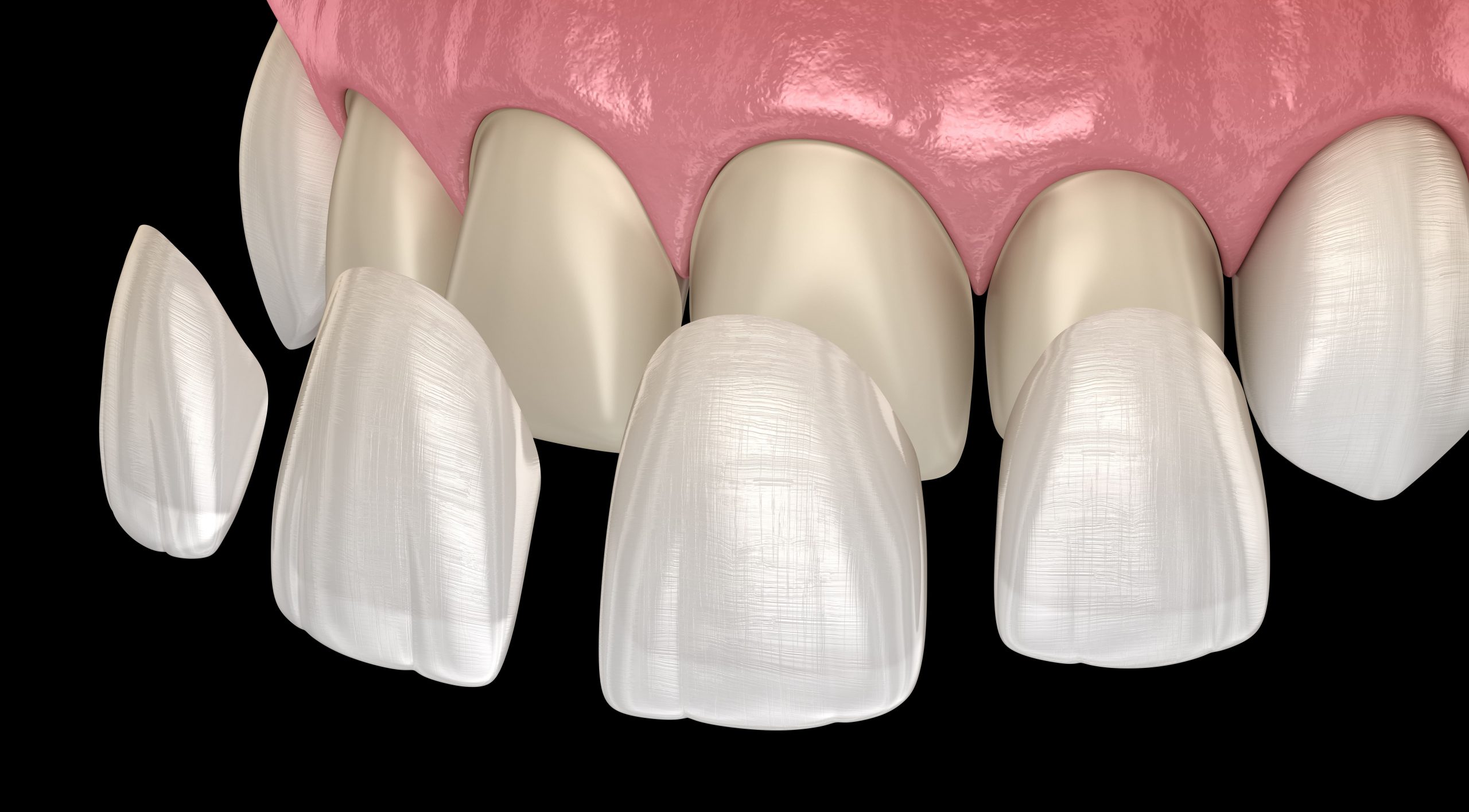
Dental veneers are thin custom-made shells that are bonded to the front surface of teeth to improve their appearance.
Veneers may be used to address:
- Improve smile symmetry
- Tooth discoloration
- Minor spacing issues
- Chipped teeth
- Uneven tooth shapes
- Worn teeth
- Smile symmetry concerns
Veneers are often made from porcelain because of their strength, durability, and natural appearance.
Why Straightening Teeth First May Be Recommended
Many patients assume veneers are the first step toward a
straighter smile. However, in many cases, clear aligners are
recommended before veneers.
When teeth are significantly crowded, rotated, or misaligned,
more natural tooth structure may need to be removed in order to
create the appearance of straight teeth using veneers alone.
By straightening the teeth first with clear aligners, dentists
can often create a more conservative treatment plan that
preserves more of the natural tooth structure while achieving a
more natural-looking result.
For this reason, orthodontic treatment is frequently considered
before cosmetic veneer treatment.
Veneers vs Crowns
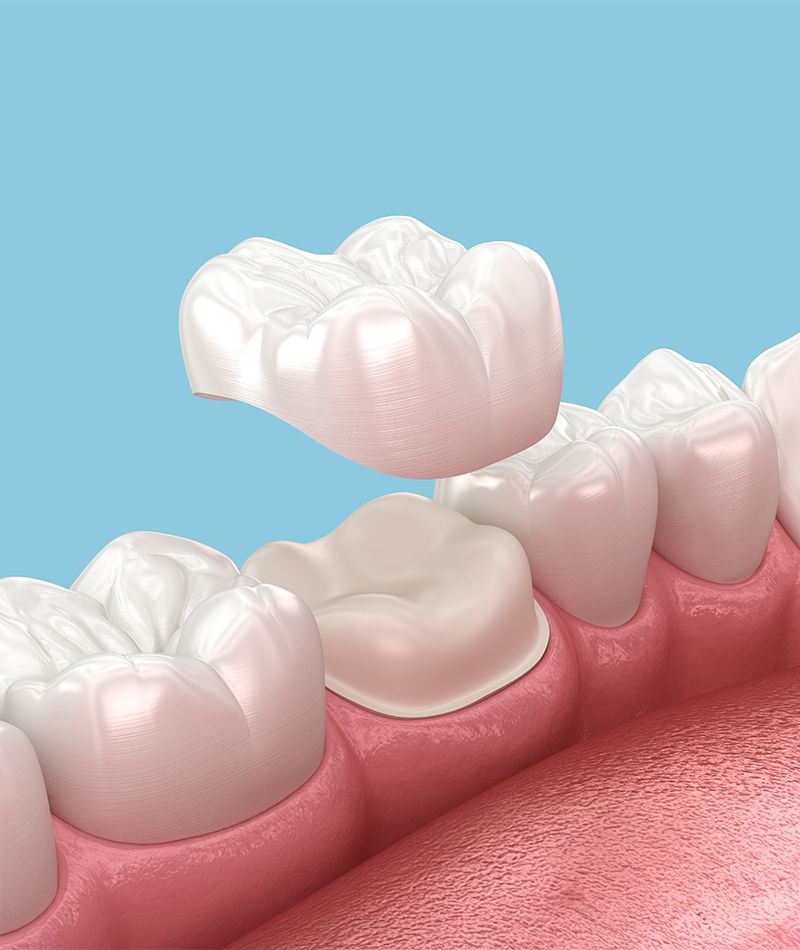
Although veneers and crowns can both improve the appearance of teeth, they serve different purposes.
Veneers |
Crowns |
|---|---|
|
|
In some smile makeovers, a combination of veneers and crowns may be used to achieve the best functional and cosmetic outcome.
Your dentist will determine which option is most appropriate for each tooth.
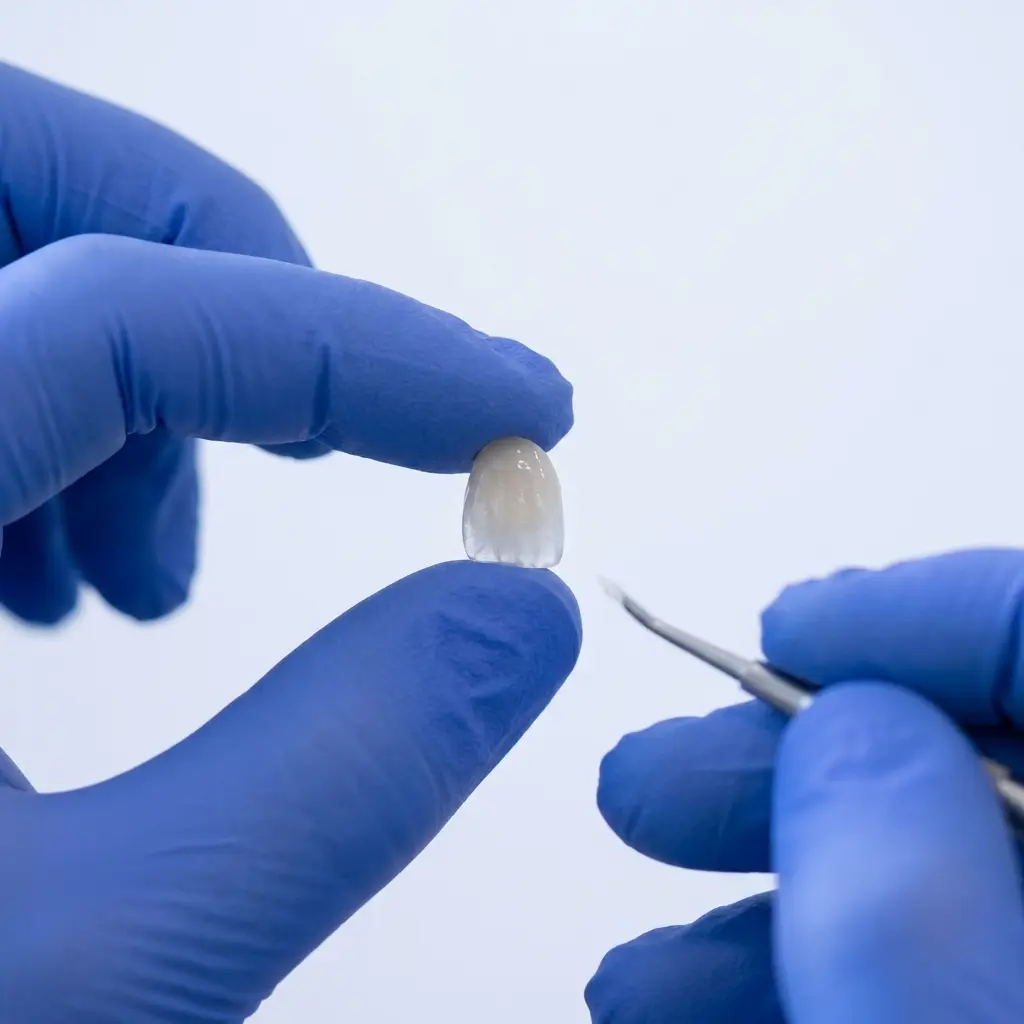
Veneer Try-In Appointment
Before your final veneers are permanently bonded, many smile makeover cases include a try-in appointment. This allows you and your dentist to evaluate the appearance of the veneers, including their shape, size, colour, and overall smile design.
The try-in appointment provides an opportunity to discuss any desired adjustments and helps ensure you are comfortable and happy with the planned result before the final veneers are placed.
Popular Veneer Shapes
The shape of a veneer can dramatically influence the overall appearance of a smile.
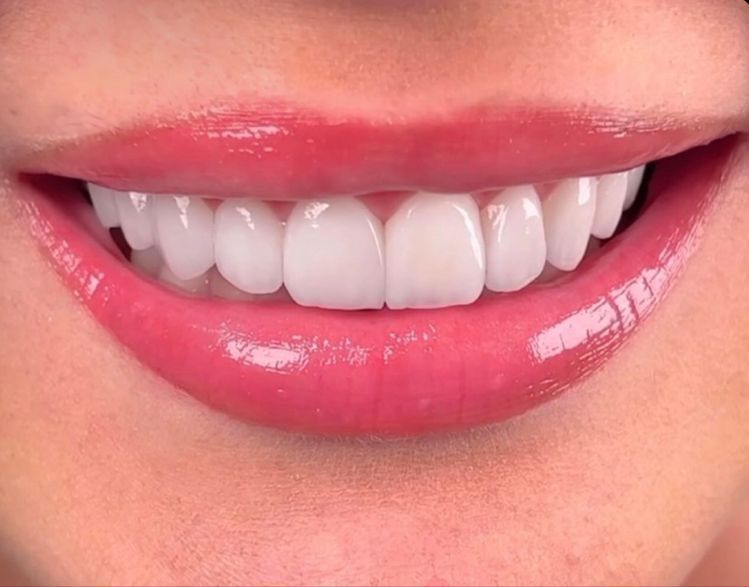
Square
1. Square veneers feature straighter edges and slightly sharper corners.
2. They often create a strong, bold, and contemporary appearance.
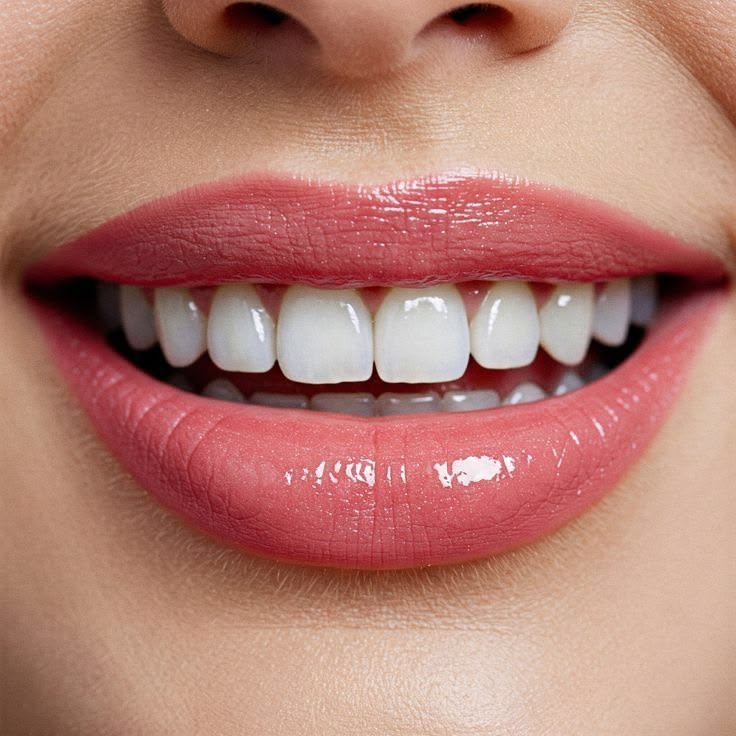
Rounded
1. Rounded veneers have softer edges and curved contours.
2. They tend to create a softer, youthful, and natural-looking smile.
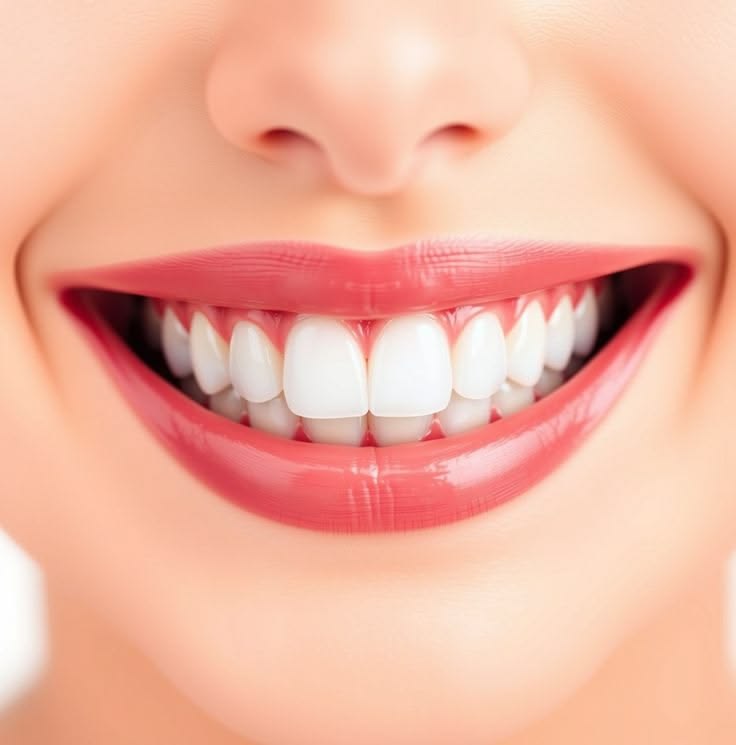
Oval
1. Oval veneers combine gentle curves with elegant proportions.
2. This shape is often selected for a refined and balanced appearance.
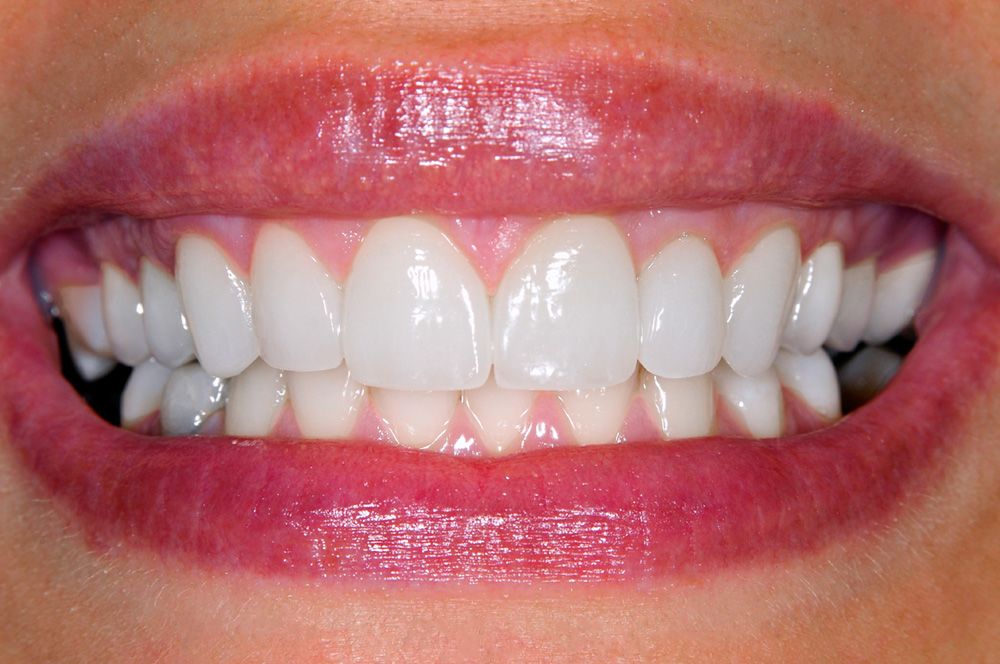
Natural
1. Natural-shaped veneers mimic the subtle variations found in natural teeth.
2. Many patients prefer this option because it creates a realistic, less "perfect" appearance.
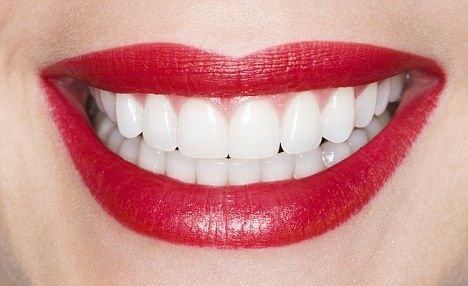
Hollywood Style
1. Hollywood veneers are typically brighter, more symmetrical, and highly uniform.
2. They are often selected by patients seeking a dramatic cosmetic transformation.
3. The ideal veneer shape depends on facial features, lip position, smile line, and personal preferences.

Ready to restore your smile?
How Long Do They Last?
Veneers and crowns are designed to be durable, long-lasting restorations, but they are not considered lifetime restorations.
Veneers
Porcelain veneers typically last 10–15 years or longer with proper care, although some may last significantly longer.
Crowns
Dental crowns often last 10–15 years or more, depending on factors such as oral hygiene, bite forces, grinding habits, and regular dental maintenance.
To help maximize the lifespan of veneers and crowns, patients should:
- check_circle Brush and floss daily
- check_circle Attend regular dental examinations and cleanings
- check_circle Avoid using teeth as tools
- check_circle Wear a nightguard if recommended for clenching or grinding
Bonding
Dental bonding uses tooth-colored composite material to improve the appearance of teeth.
Bonding may be used to:
Bonding is often a conservative treatment option that preserves natural tooth structure.
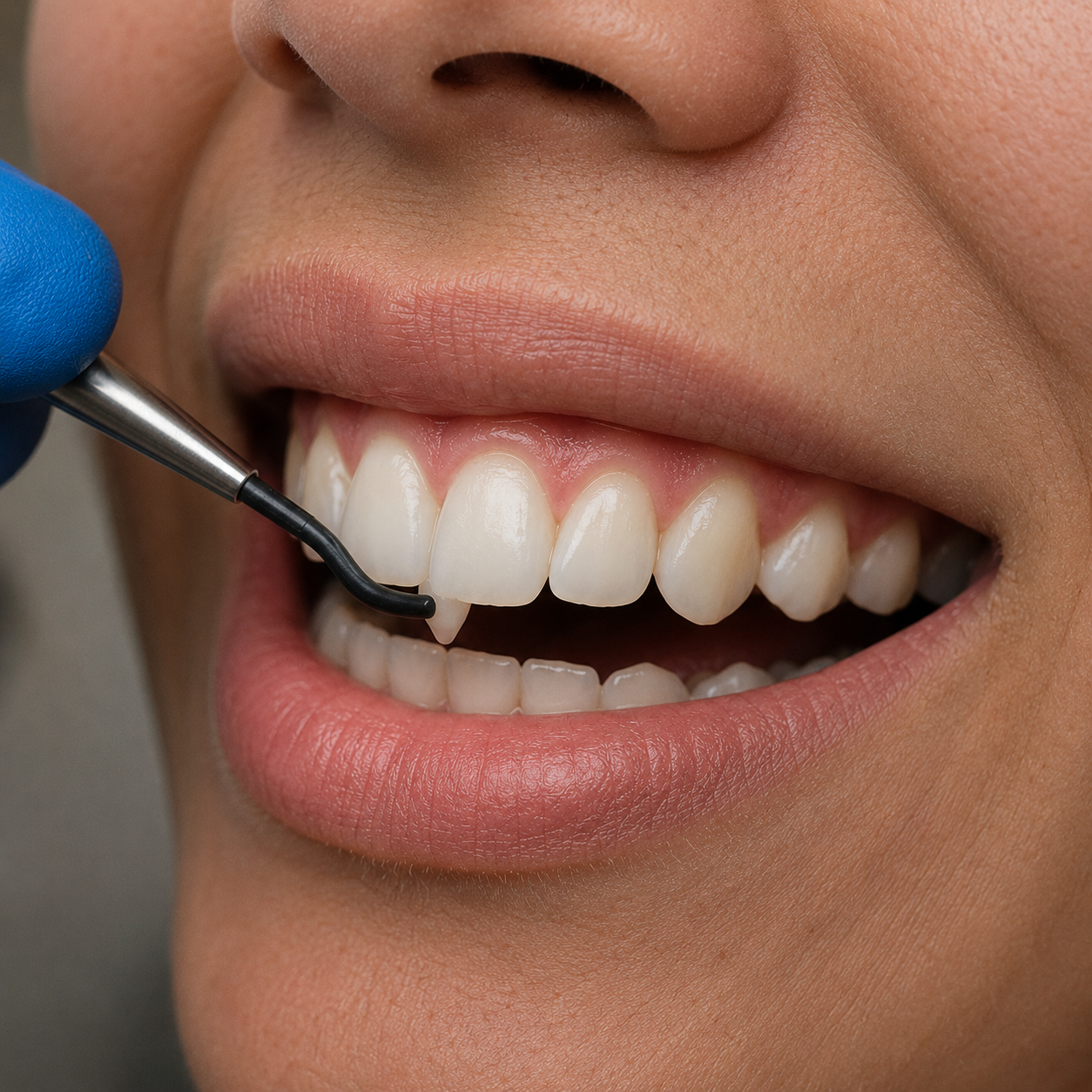
Gum Contouring
The appearance of a smile is influenced not only by teeth, but also by the surrounding gum tissue.
Gum contouring may be used to:
- Reduce a "gummy smile"
- Improve symmetry
- Create a more balanced smile line
- Enhance appearance of veneers and crowns
This procedure can help create a more harmonious relationship between the teeth and gums.
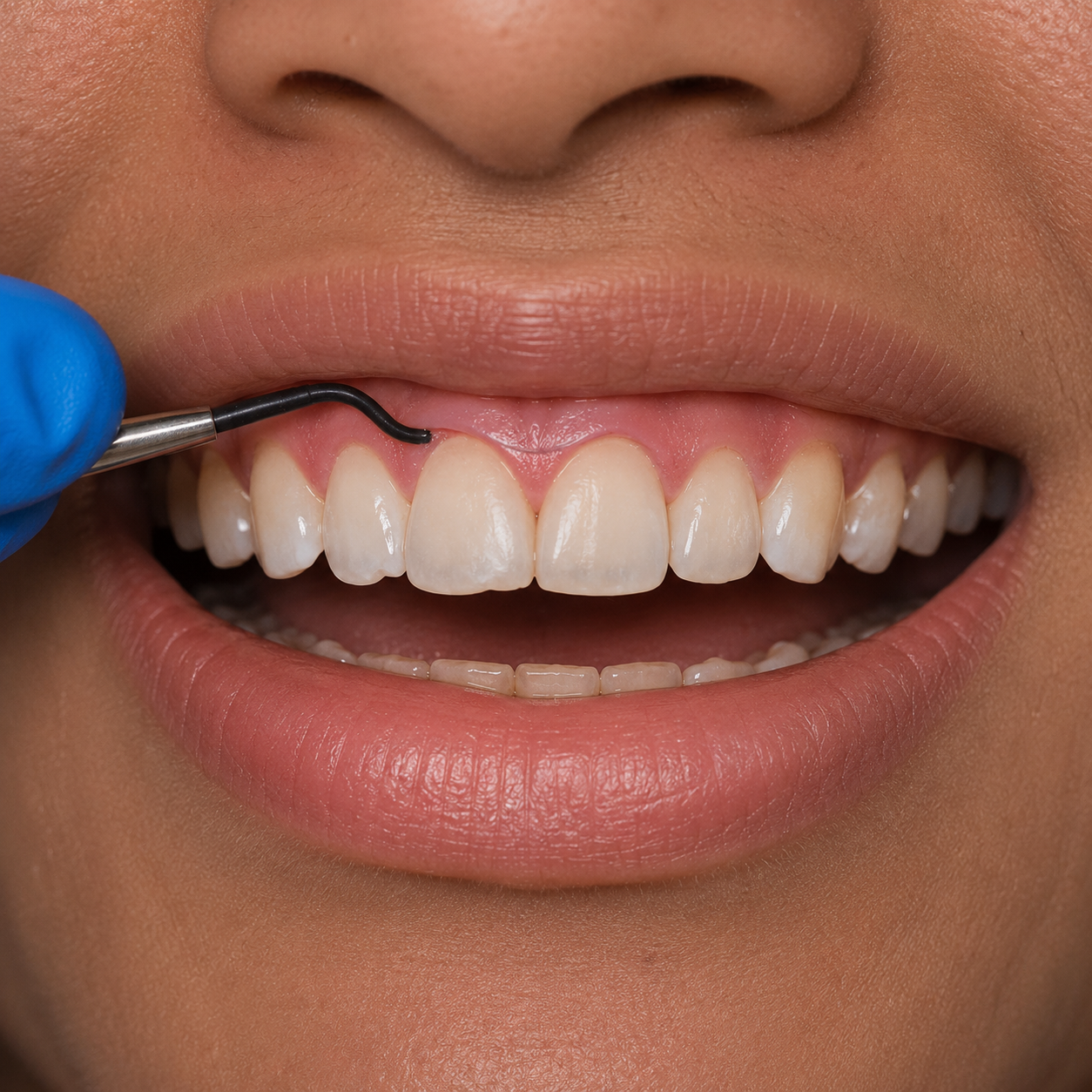
Combining Treatments for Your Ideal Smile
The best results often come from a multi-disciplinary approach.
Clear Aligners + Whitening
Straighten and brighten your smile simultaneously.
Clear Aligners + Veneers
Improve alignment before enhancing tooth shape and colour.
Whitening + Veneers
Create better shade matching and overall aesthetics.
Implants + Veneers
Replace missing teeth while enhancing surrounding teeth.
Crowns + Veneers
Restore damaged teeth while improving smile appearance.
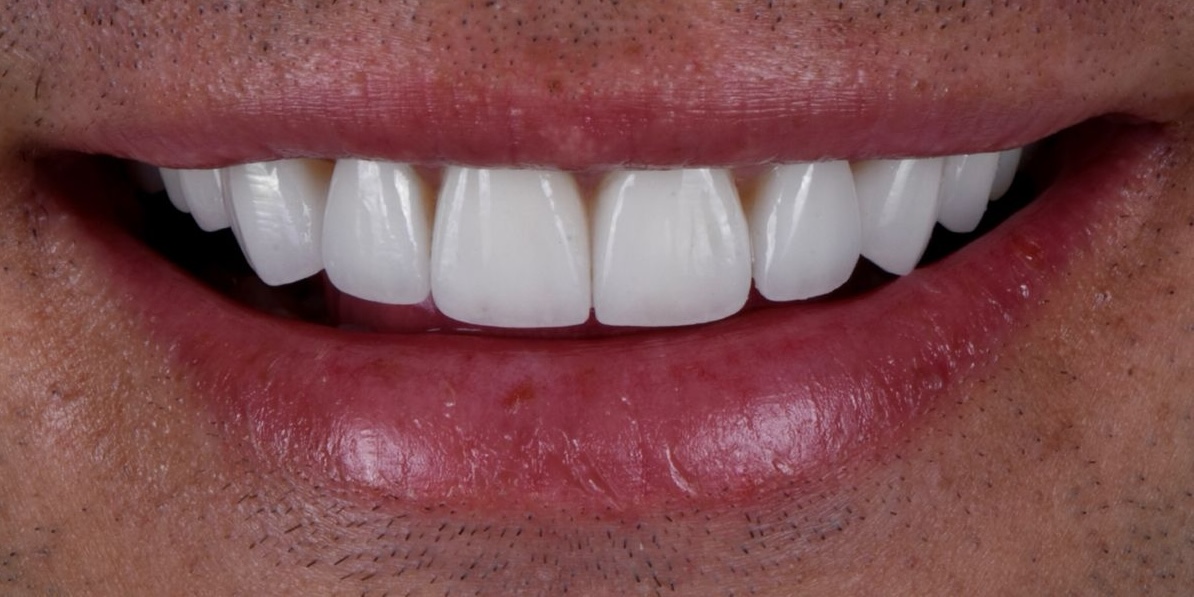
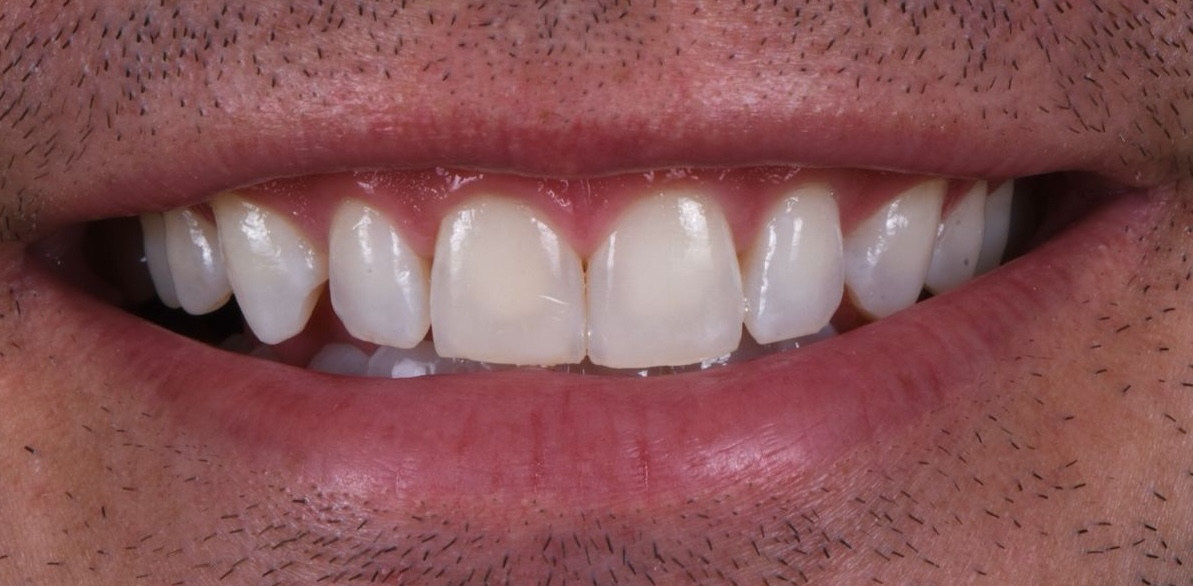
Before & After
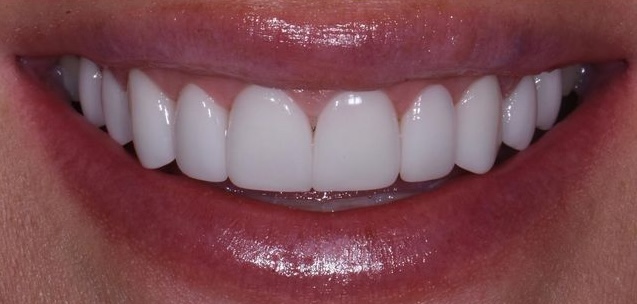
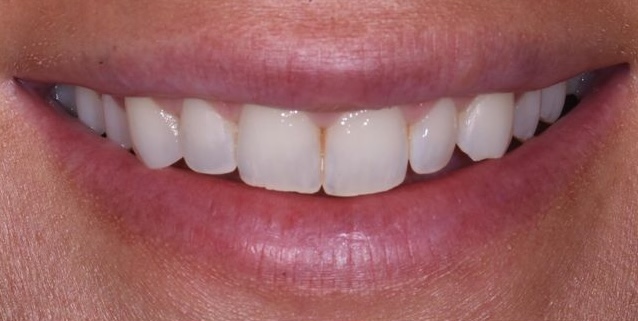
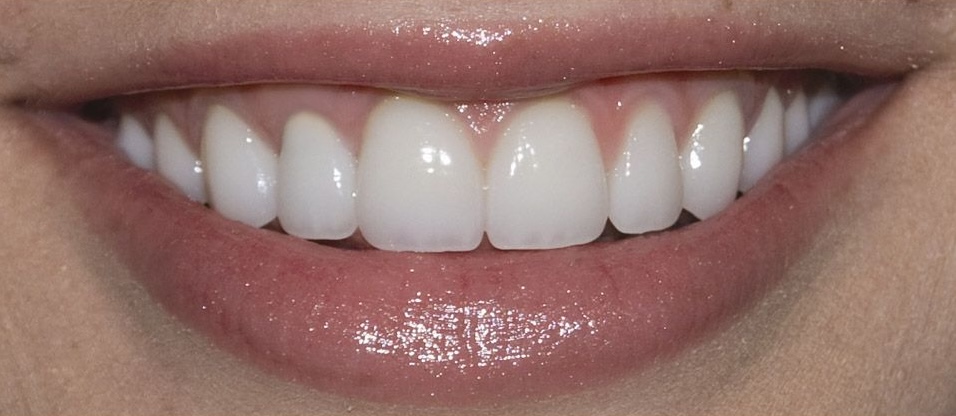
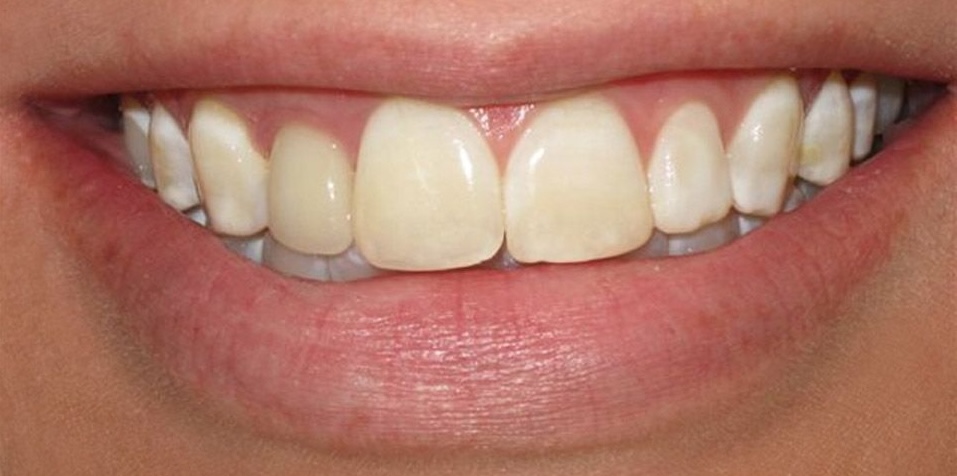
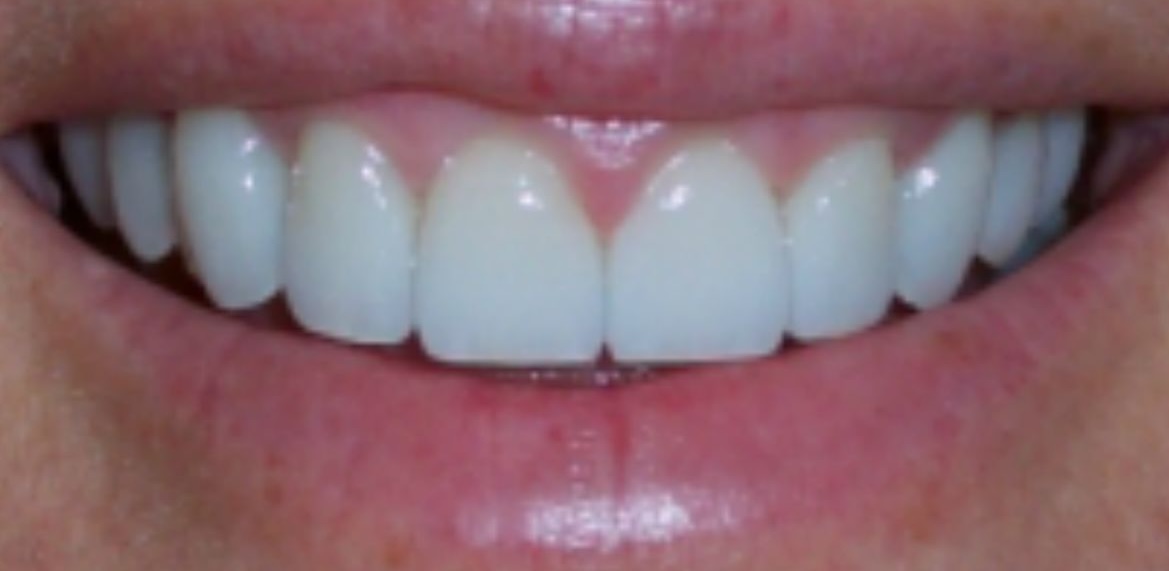
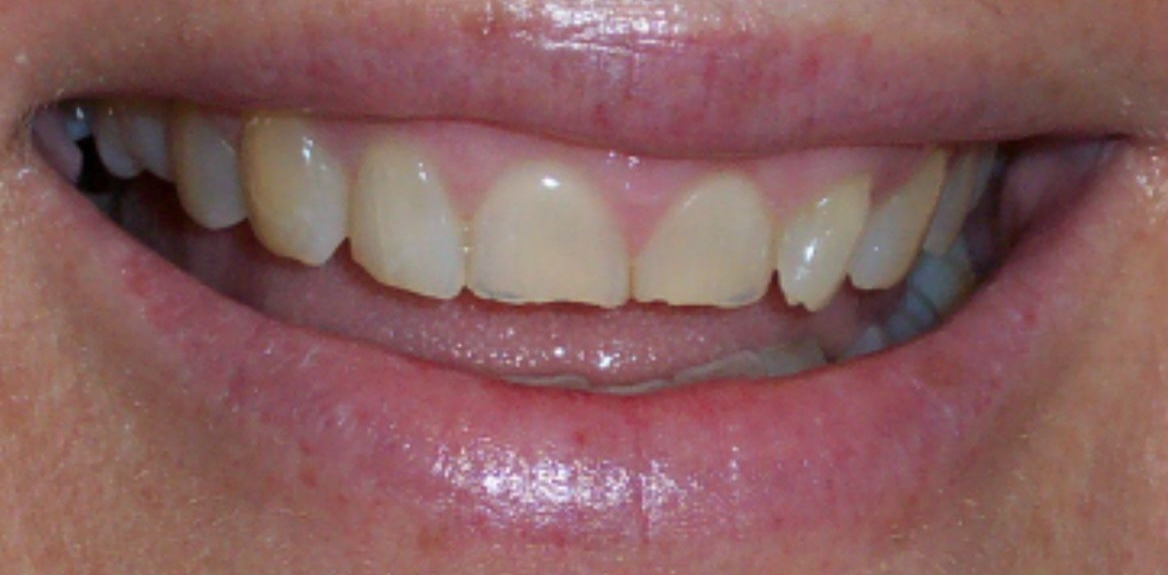
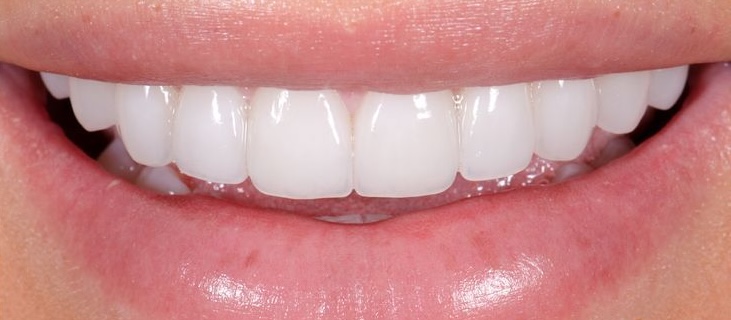
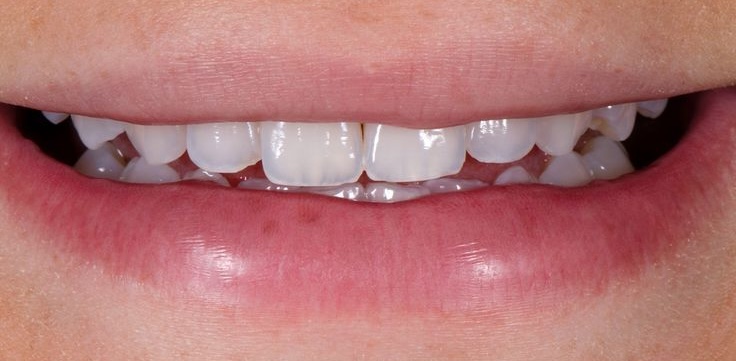
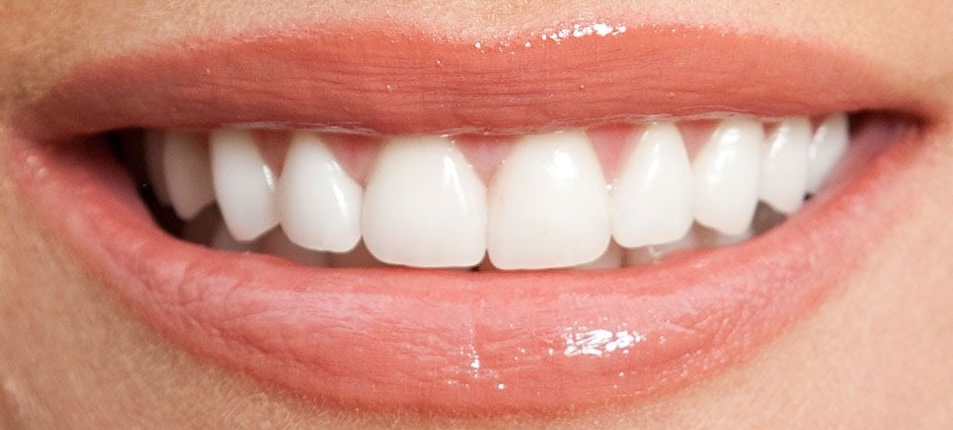
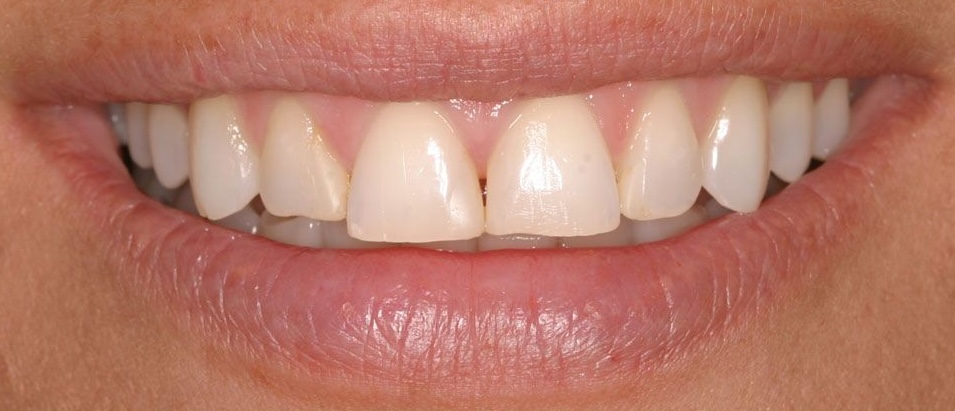
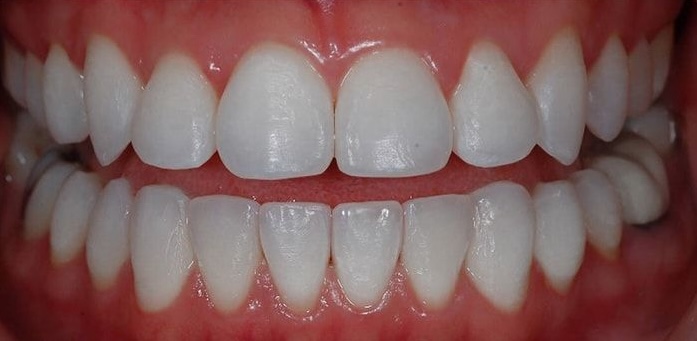
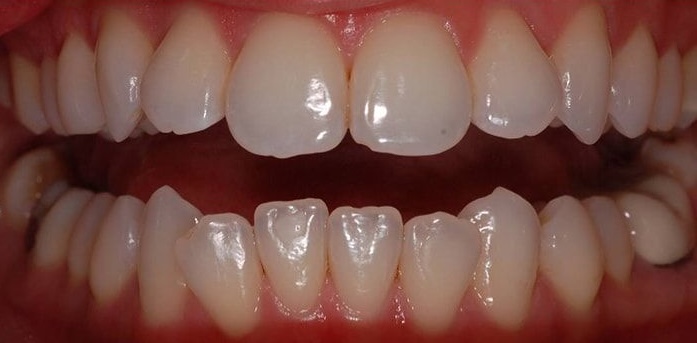
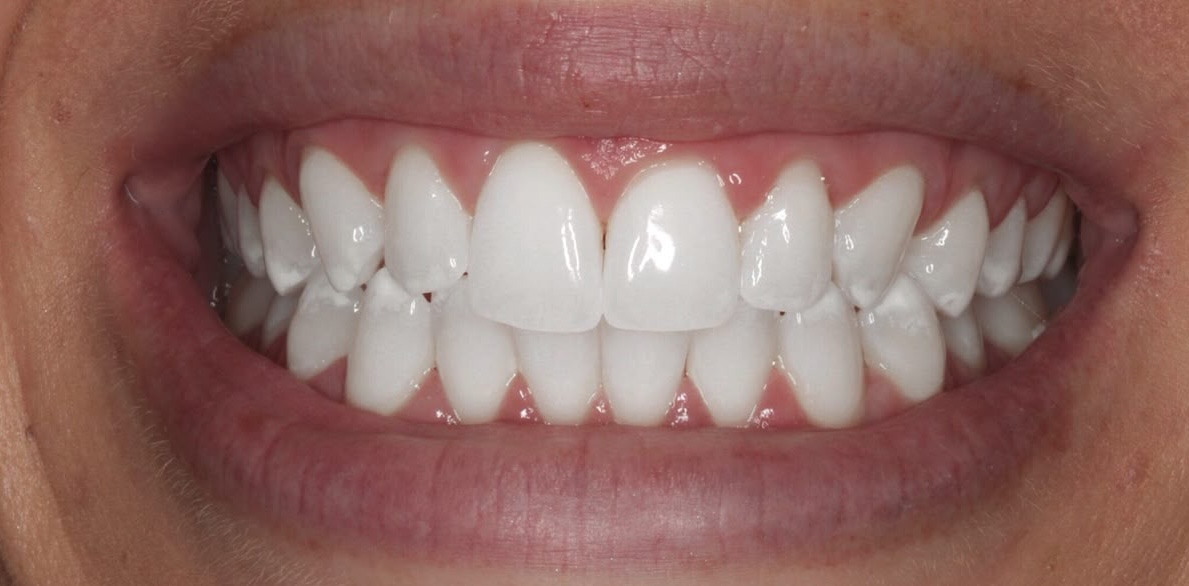
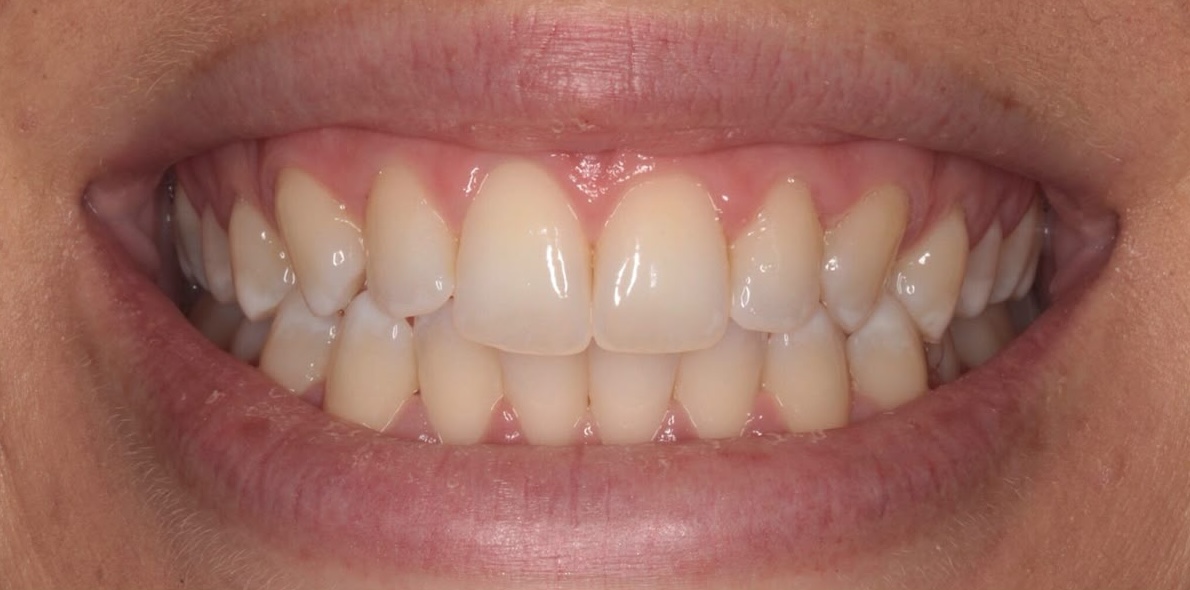
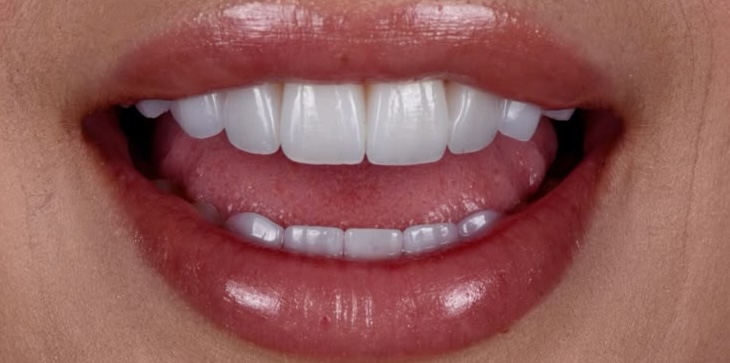
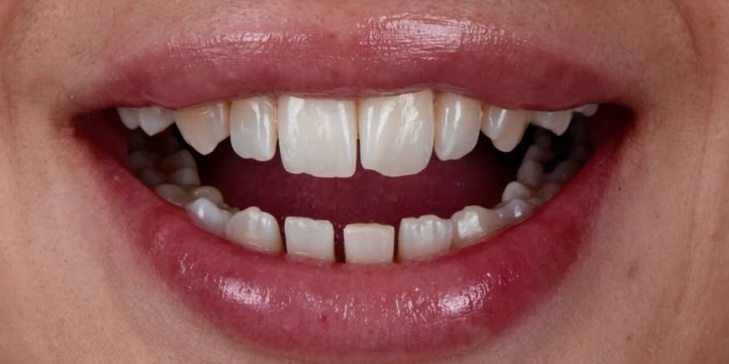
Smile Makeover Gallery
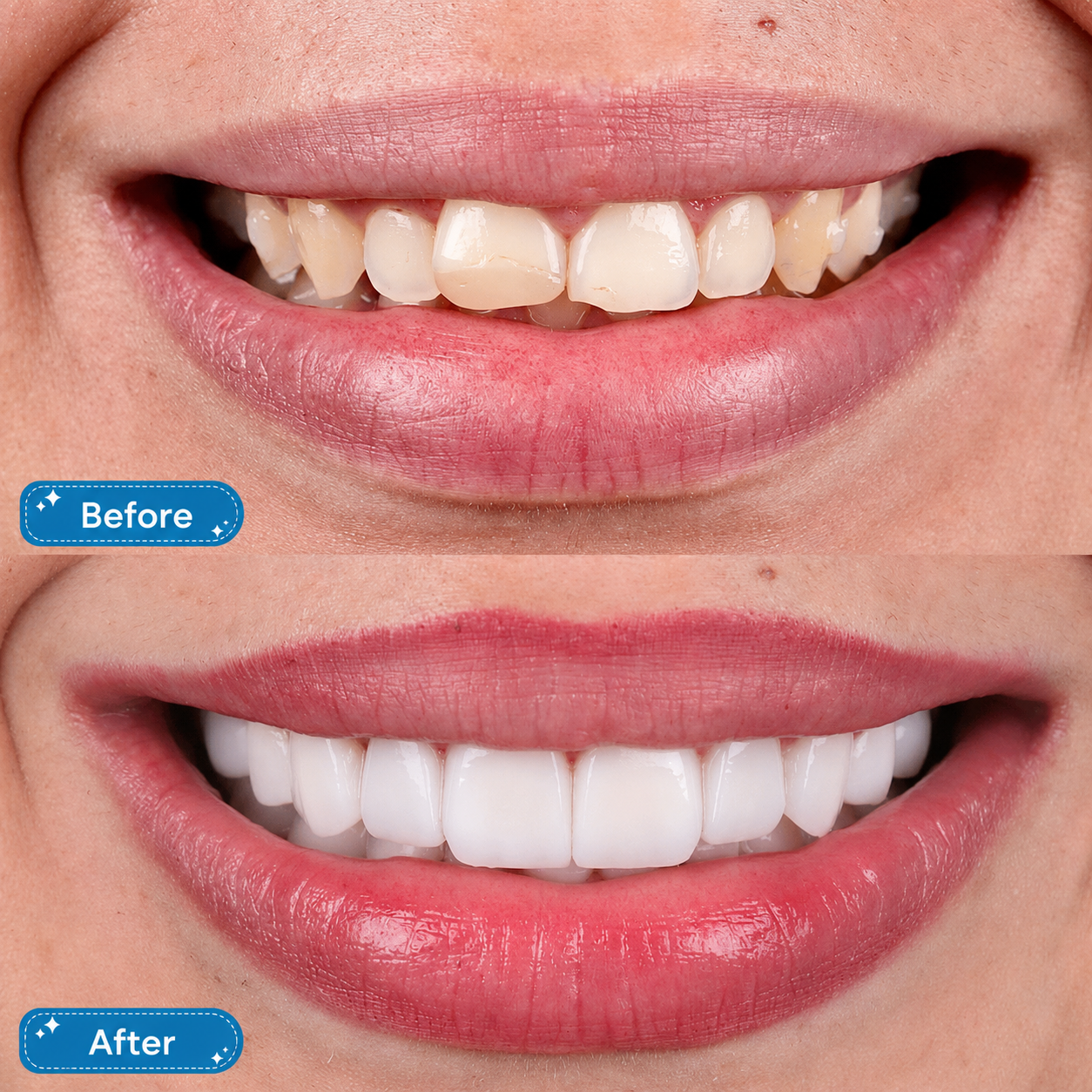
See how personalized treatment plans can transform smiles through combinations of clear aligners, whitening, veneers, bonding, implants, and crowns. (Real patient results may vary.)
Frequently Asked Questions
How long does a smile makeover take?
Will I need veneers?
Can clear aligners be part of a smile makeover?
Are veneers permanent?
What is the difference between veneers and bonding?
How white should my smile be?
Not sure where to begin?
Learn about the different treatment options that can be part of a smile makeover, then connect with a provider when you are ready.

Disclaimer: Smile makeover treatment varies from patient to patient. Treatment options, timelines, costs, and outcomes depend on your oral health, tooth structure, bite, gum health, goals, and clinical assessment. A dental professional can help determine which options may be appropriate for your individual smile.