

Clear Dental Aligners
Clear Dental Aligners
A Modern Alternative to Traditional Braces
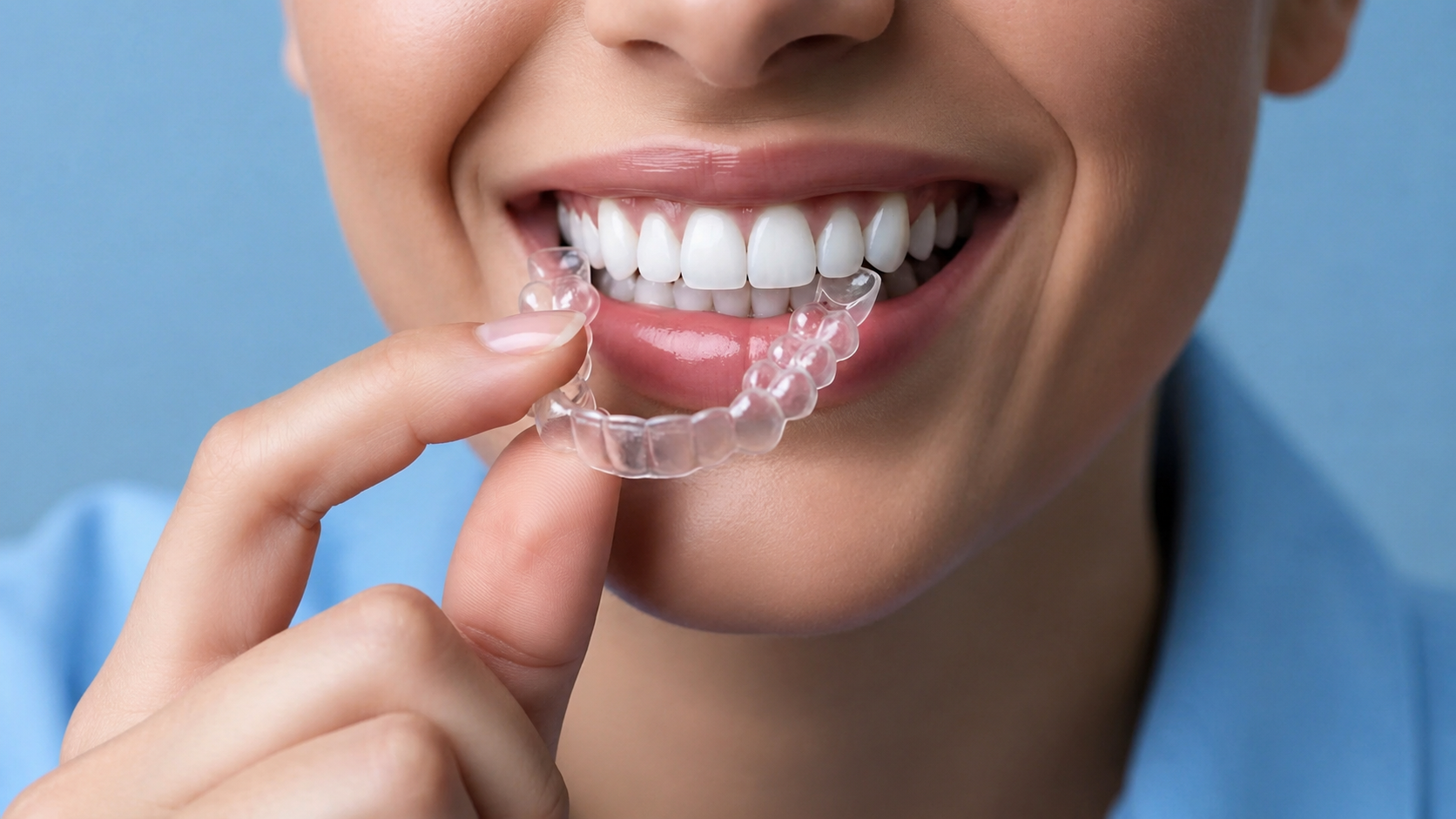
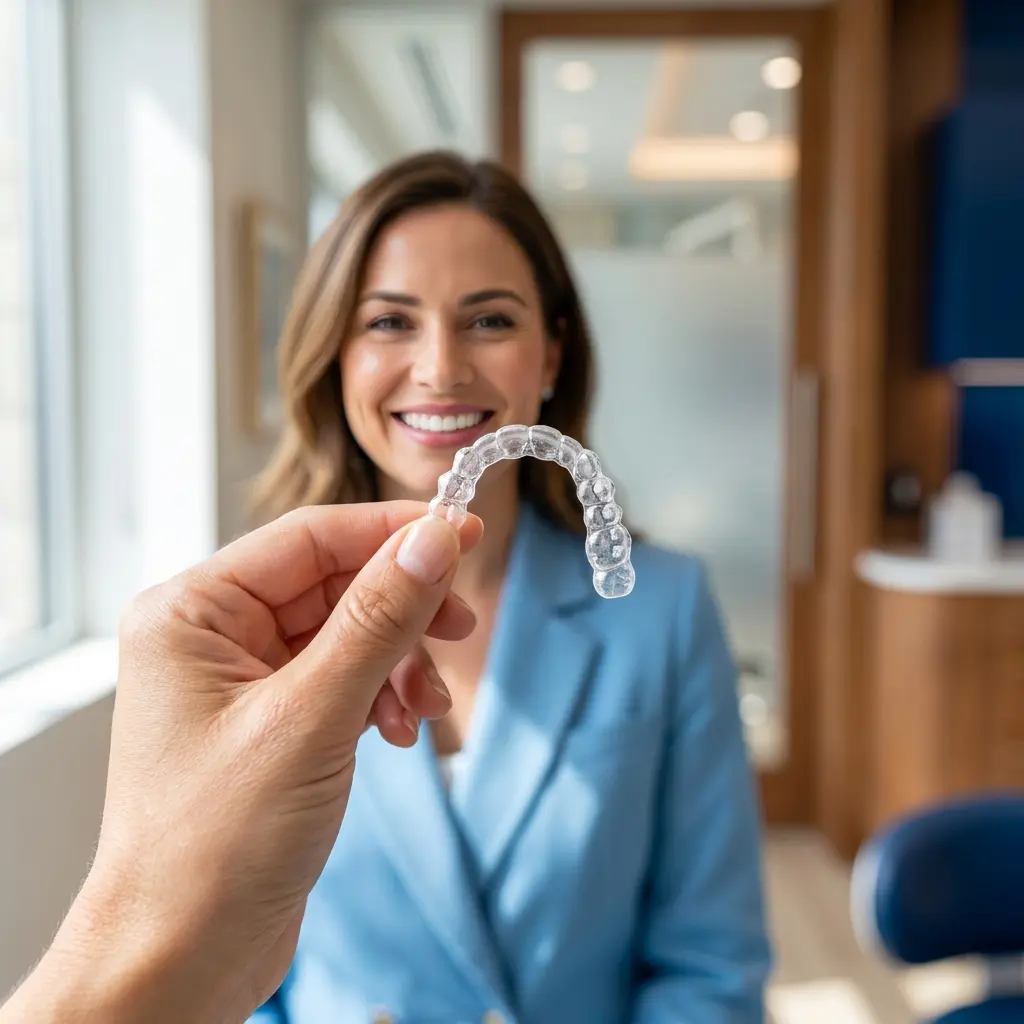
Clear dental aligners are custom-made orthodontic appliances
designed to gradually straighten teeth and improve bite alignment.
Made from smooth, transparent medical-grade plastic, clear
aligners fit comfortably over the teeth and apply gentle,
controlled pressure to move them into their ideal positions over
time.
Unlike traditional metal braces, clear aligners do not use
brackets or wires, making them a discreet and convenient option
for many patients.
Today, several clear aligner systems are available, including
Aurra, Invisalign, SureSmile, and other professionally prescribed
aligner brands. A dental professional can help determine which
treatment option is best suited to your individual needs.
What Are Clear Dental Aligners?
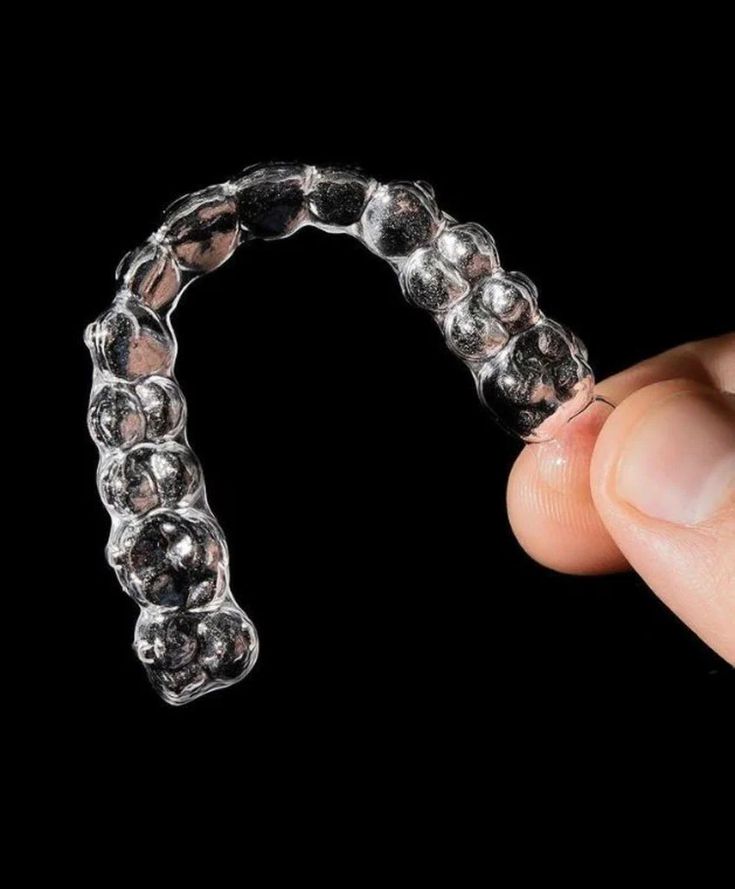
Clear aligners are a series of custom-made trays that gradually move teeth into improved alignment. Each aligner is slightly different from the previous one, allowing for precise tooth movement throughout treatment.
Using advanced digital technology, aligners are designed specifically for each patient's smile and treatment goals. Patients wear each set of aligners for a designated period before progressing to the next stage in the series.
How Clear Dental Aligners Work
Clear dental aligner treatment begins with a comprehensive evaluation by a dental professional.
Step 1: Initial Consultation
During your appointment, your dental team may:
- check_circle Review your dental and medical history
- check_circle Examine your teeth and bite
- check_circle Take digital photographs
- check_circle Take dental X-rays if required
- check_circle Capture a digital 3D scan of your teeth

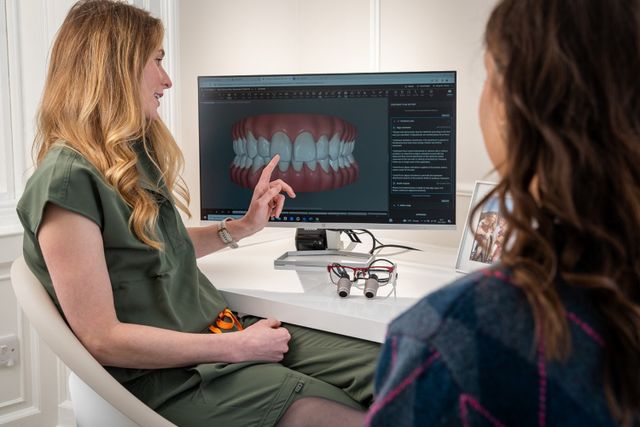
Step 2: Treatment Planning
Your records are used to create a customized treatment plan
that maps the gradual movement of your teeth from start to
finish.
Once approved, your aligners are custom fabricated based on
your unique treatment plan.
Step 3: Aligner Delivery Appointment
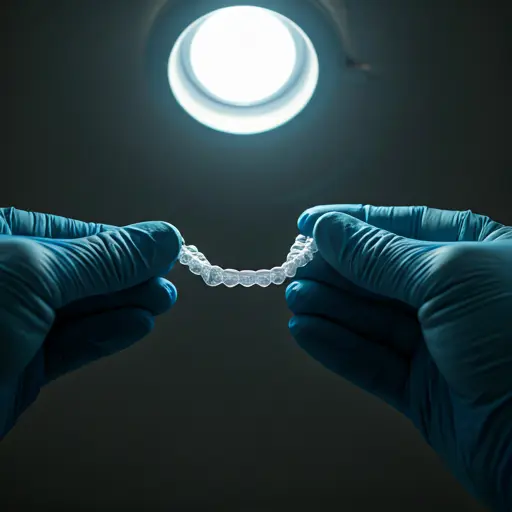
When your aligners arrive, your dental team will review your treatment plan and provide instructions for wearing and caring for your aligners.
Depending on your treatment needs, additional procedures may be performed, including:
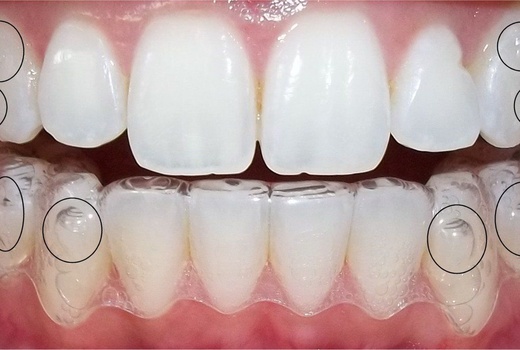
Attachments
Small tooth-coloured shapes temporarily bonded to certain teeth to help aligners achieve specific tooth movements.
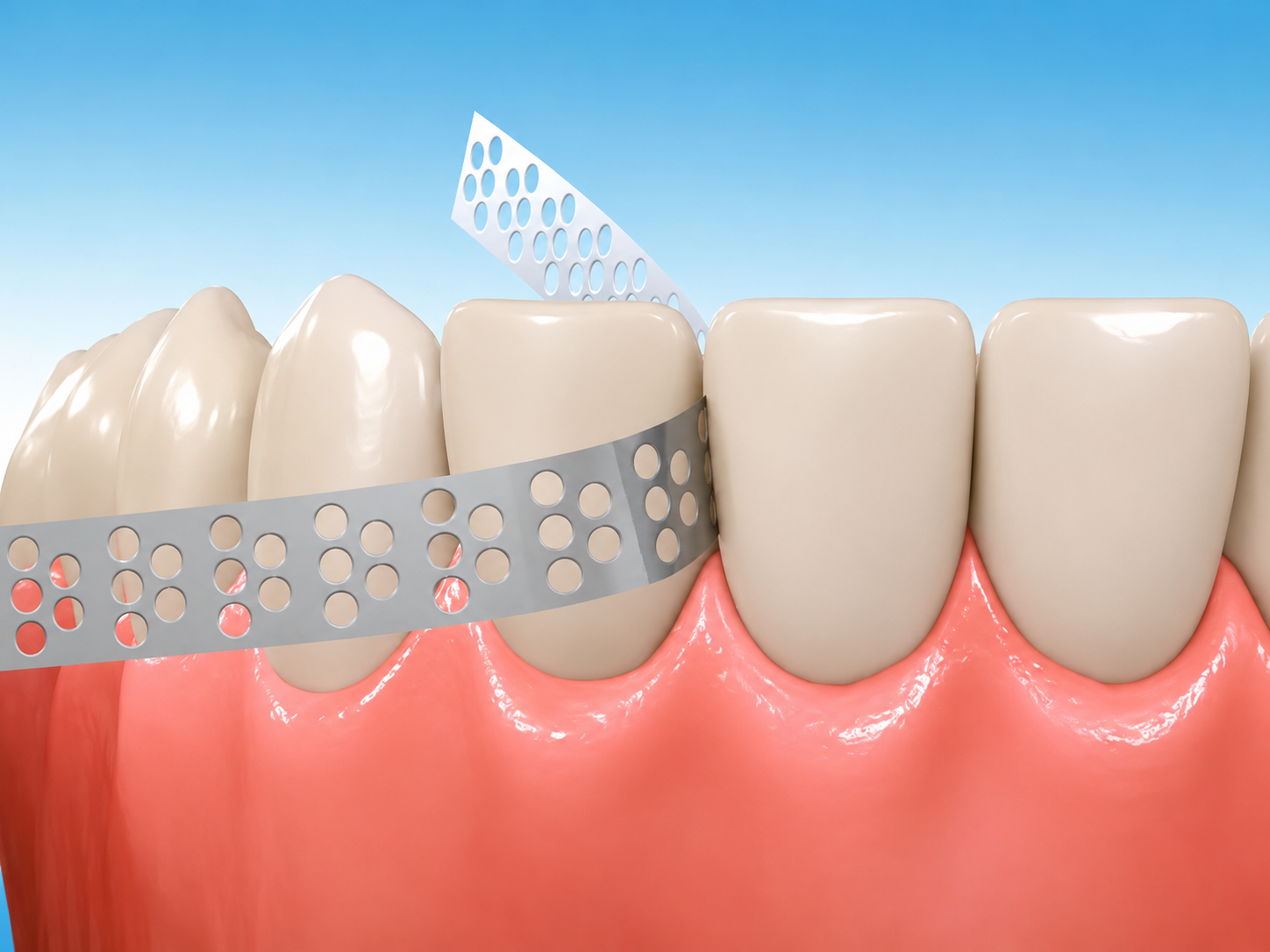
Step 4:IPR (Interproximal Reduction)
A conservative procedure that creates a small amount of space between selected teeth when needed to improve alignment.
Your provider will determine whether either of these procedures is necessary as part of your treatment.
Benefits of Clear Dental Aligners
Clear aligners have become one of the most popular orthodontic treatment options because they offer several advantages.
Discreet appearance
Clear aligners are nearly invisible when worn.
Comfortable Fit
Made from smooth plastic, aligners eliminate the irritation commonly associated with brackets and wires.
Removable
Aligners can be removed for eating, drinking, brushing, and flossing.
Improved Oral Hygiene
Without brackets and wires, brushing and flossing are generally easier during treatment.
Improved Oral Hygiene
Without brackets and wires, brushing and flossing are generally easier during treatment.
Predictable Treatment Planning
Digital treatment planning allows patients to visualize expected tooth movement before treatment begins.
Clear Dental Aligners vs Braces
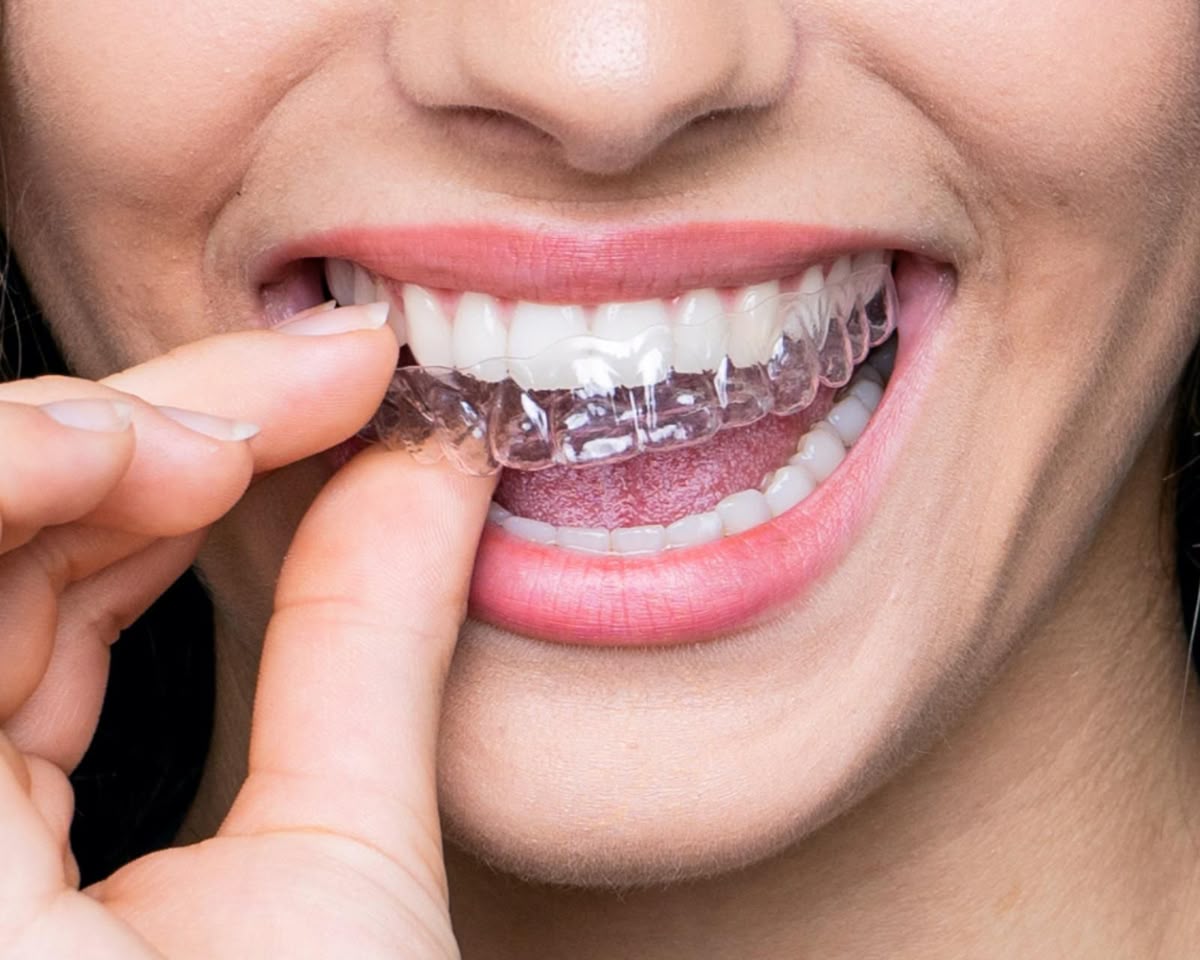
Clear Dental Aligners
-
checkNearly invisible appearance
-
checkRemovable for meals and cleaning
-
checkSmooth plastic material
-
checkEasier oral hygiene maintenance
-
checkDigital treatment planning
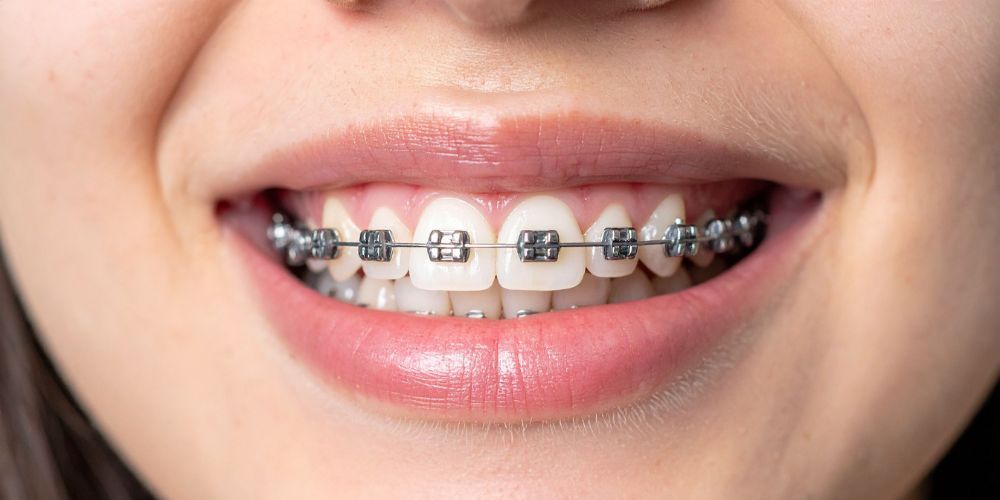
Traditional Braces
-
checkMetal brackets and wires visible
-
checkFixed to teeth throughout treatment
-
checkMetal components may irritate soft tissue
-
checkMore challenging to brush and floss
-
checkTraditional orthodontic adjustments
Both clear dental aligners and braces can be effective orthodontic treatments. The best option depends on the complexity of the case and the recommendations of your dental professional.
What Can Clear Dental Aligners Fix?
Clear dental aligners may be used to address a variety of orthodontic concerns, including:
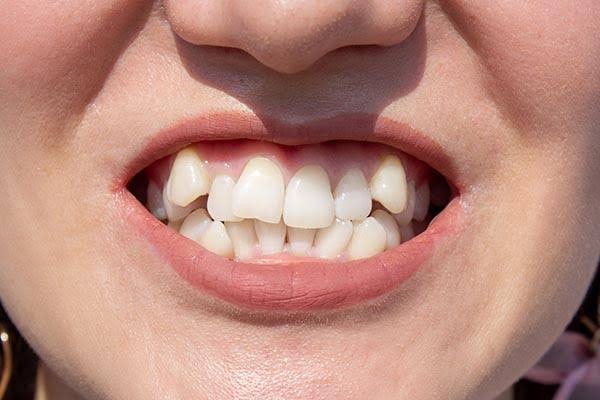
Crowded teeth
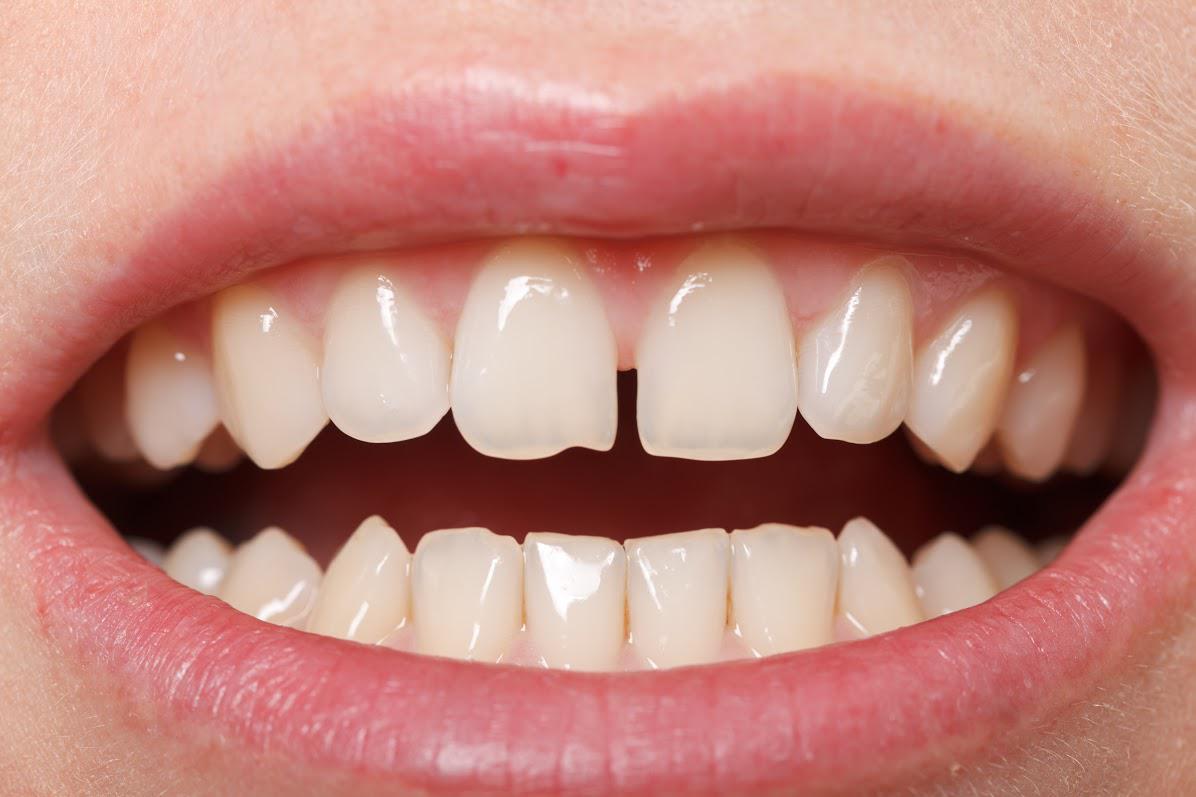
Gaps between teeth
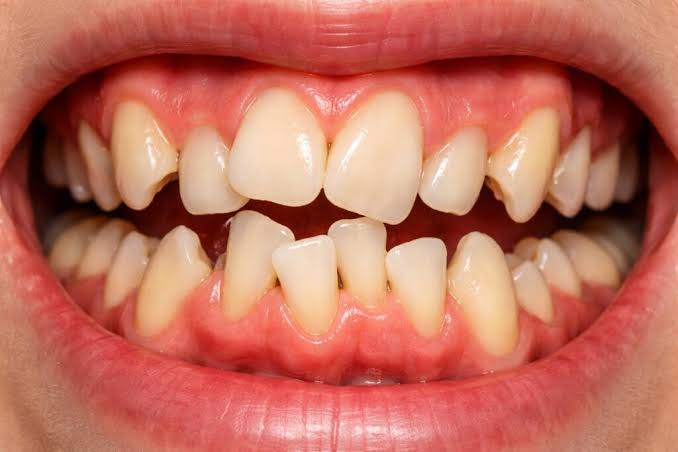
Crooked teeth
Mild to moderate overbites
Mild to moderate underbites
Crossbites
Open bites
Relapse following previous orthodontic treatment
A consultation is required to determine whether clear aligners are appropriate for your specific situation.
Treatment Timeline
Treatment length varies based on the complexity of the case and patient compliance.
Typical treatment may range from:
Mild Cases
3–6 months
Moderate Cases
6–12 months
Comprehensive Cases
Approximately 12–24 months
Most patients wear their aligners for 20–22 hours per day and switch to a new set according to their provider's instructions.
Regular follow-up appointments help monitor progress throughout treatment.

Cost & Financing
The cost of clear dental aligner treatment varies depending on the complexity of the case, treatment duration, and the provider performing treatment.
Many dental insurance plans may cover a portion of orthodontic treatment benefits, including clear aligners. Coverage varies by plan and provider.
A consultation is required to determine treatment eligibility, discuss available options, and provide accurate pricing information.
Many dental offices also offer financing or flexible payment options.
Before & After
Smile Gallery
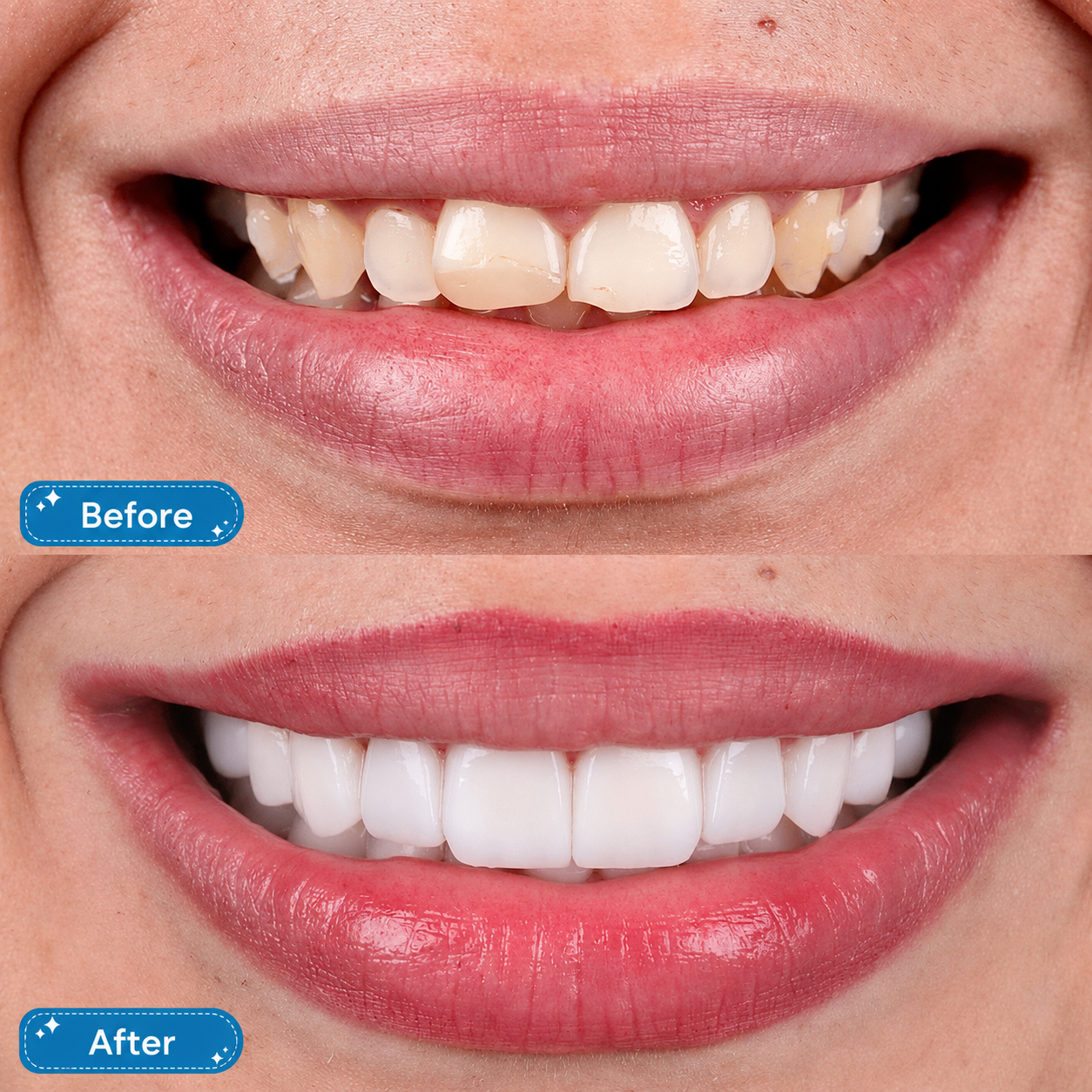
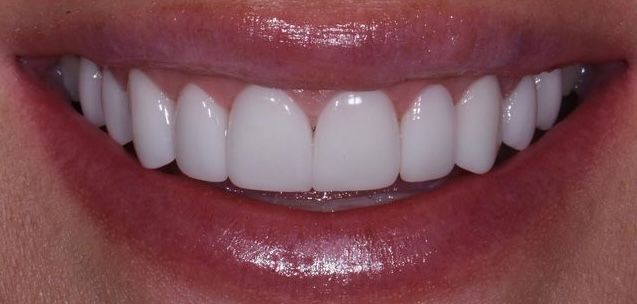
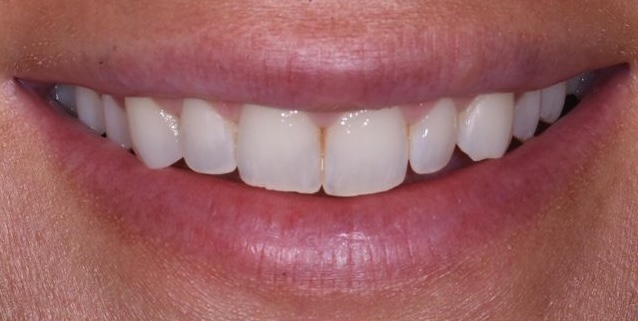
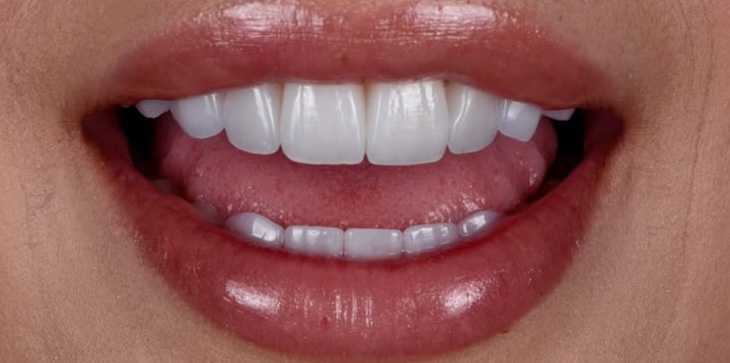
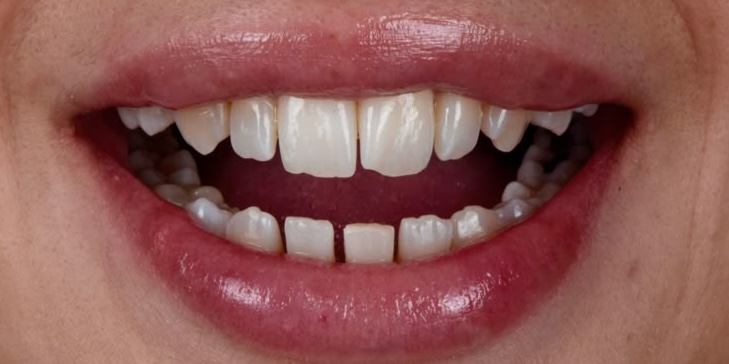
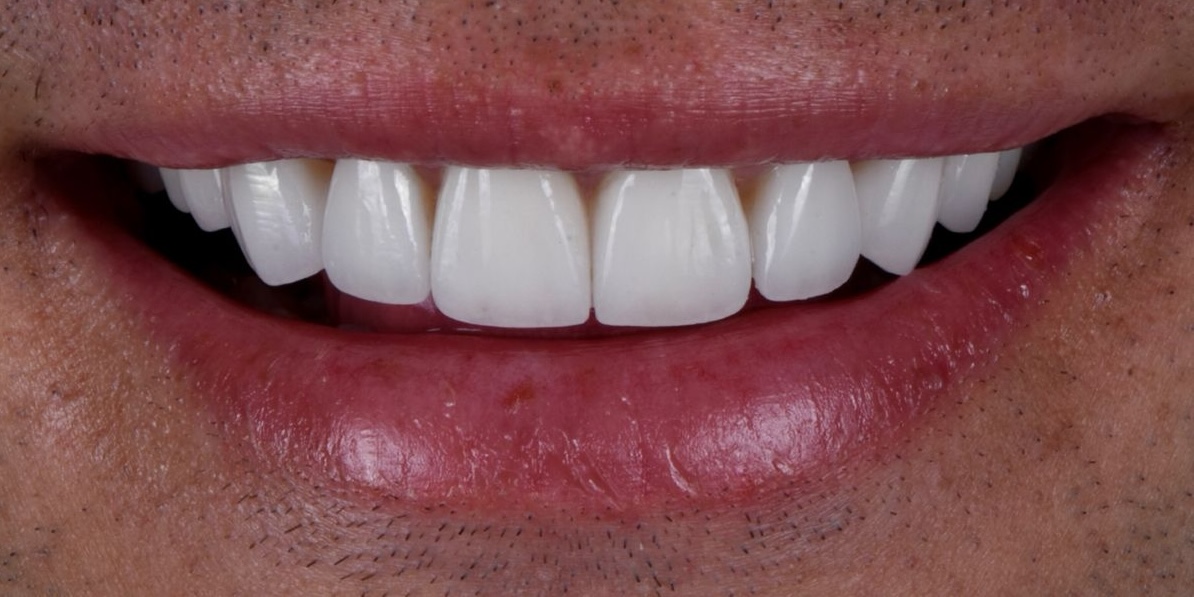
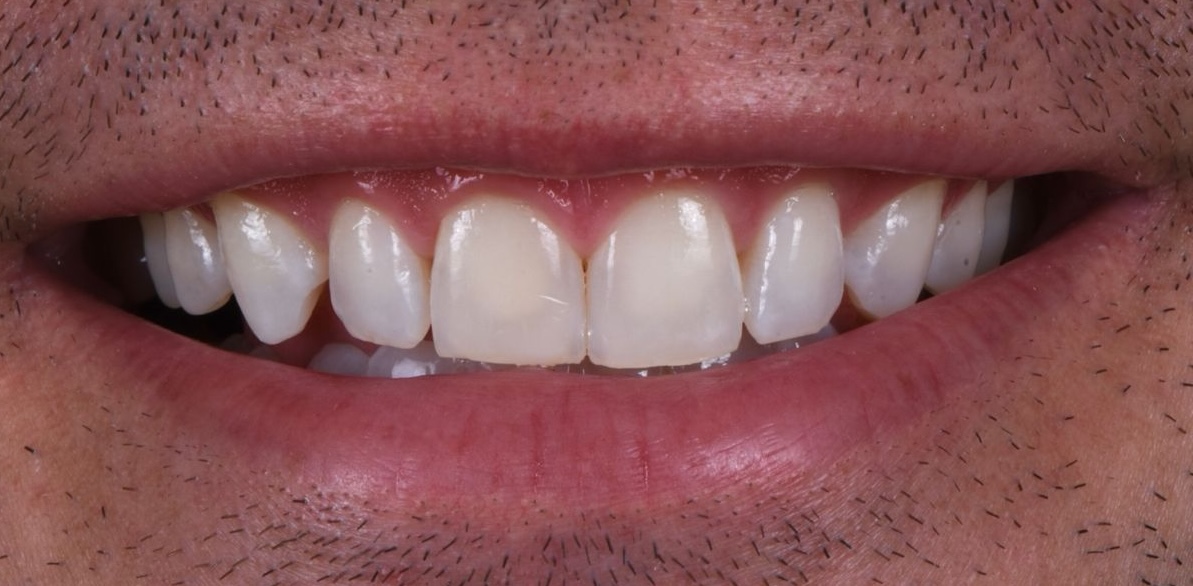
Every smile is unique, and treatment results vary from patient to patient. Before-and-after examples can help demonstrate how clear aligners may improve:
(Tooth alignment, Smile symmetry, Spacing, Crowding, Overall smile aesthetics )
 After
After
 Before
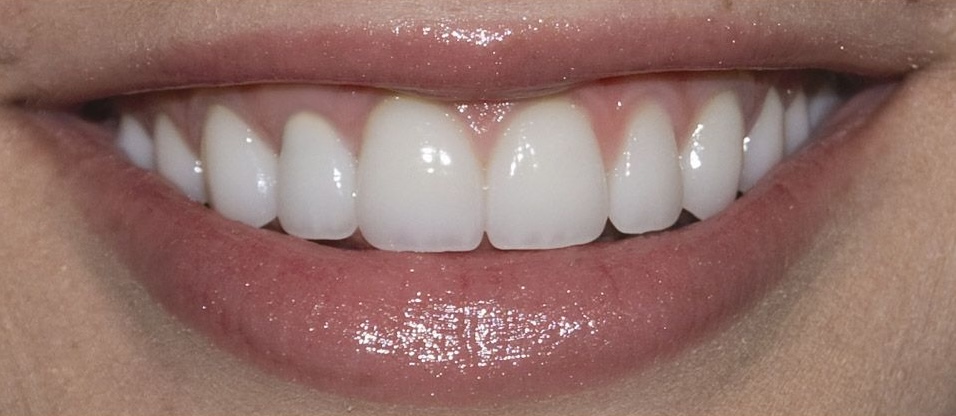 After
After
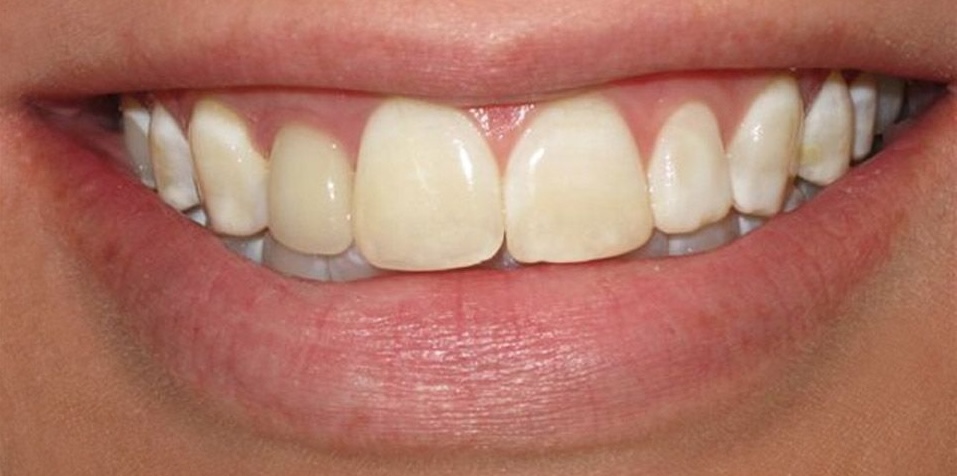 Before
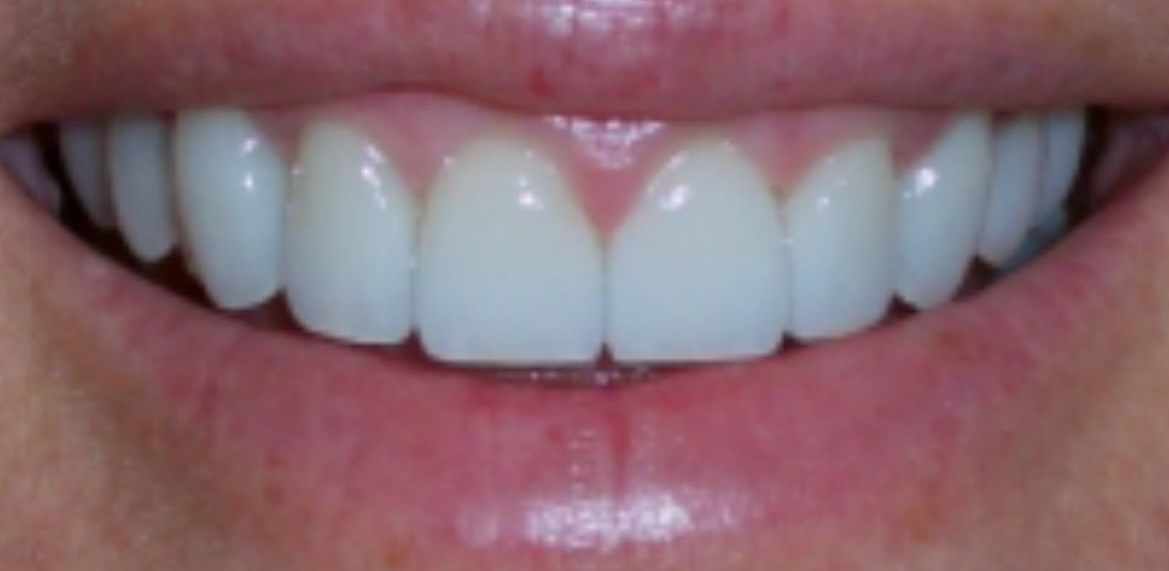 After
After
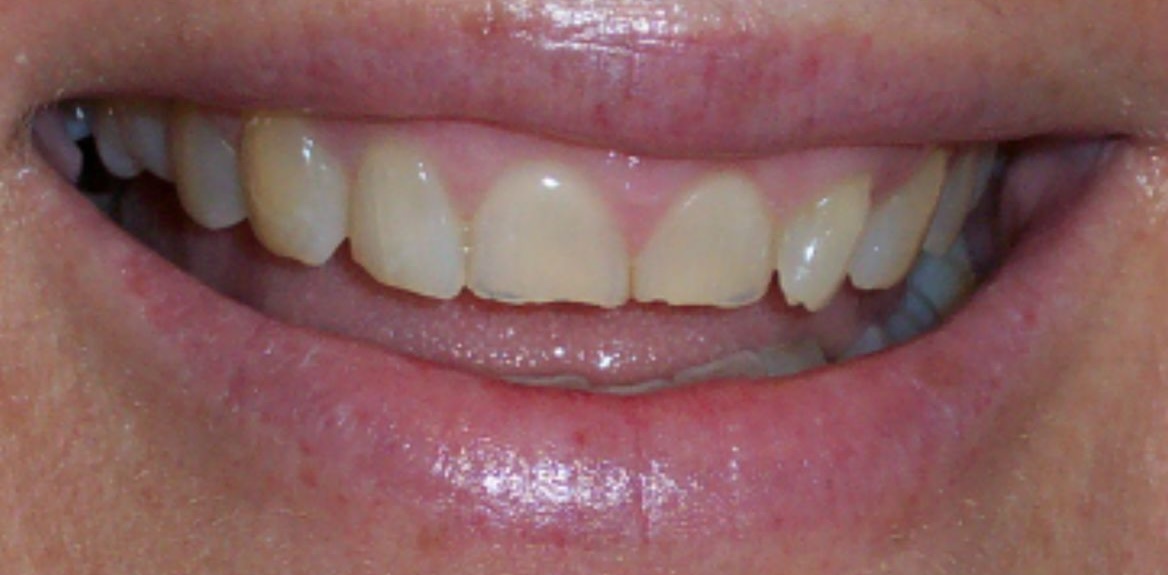 Before
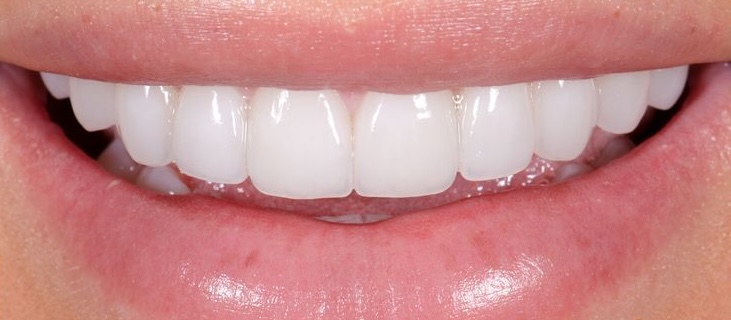 After
After
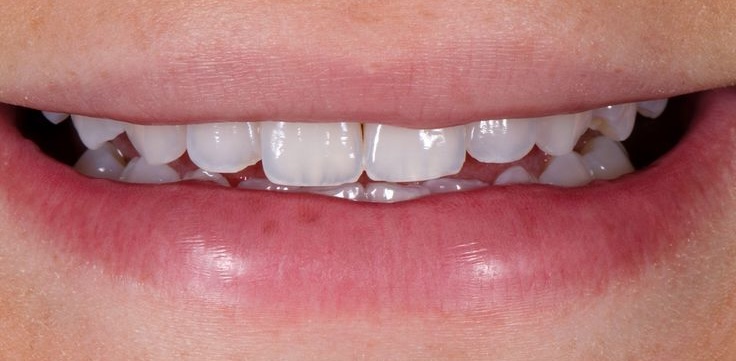 Before
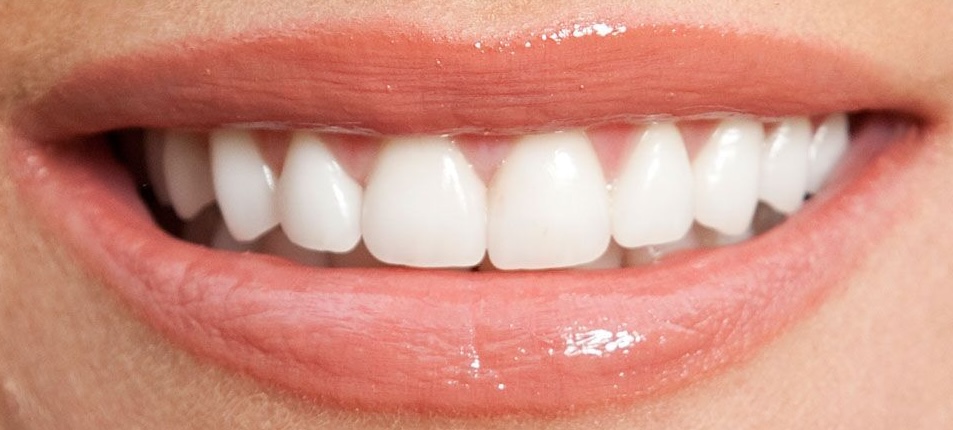 After
After
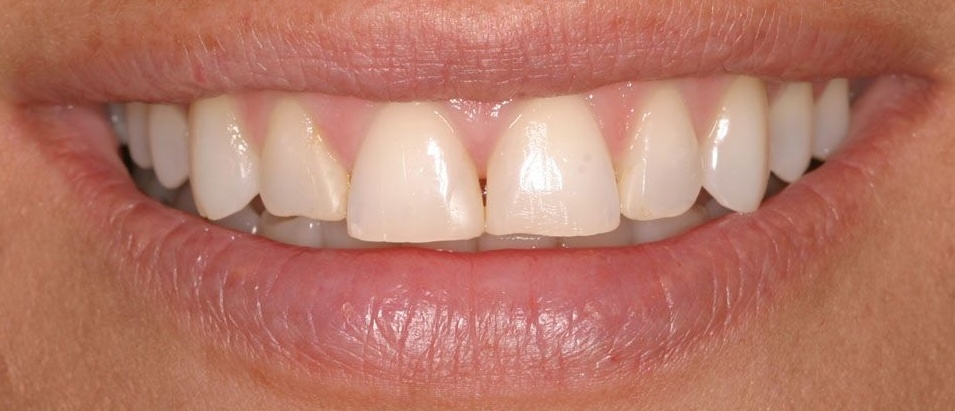 Before
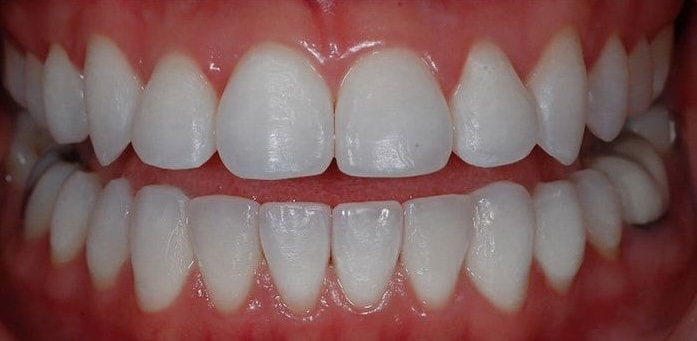 After
After
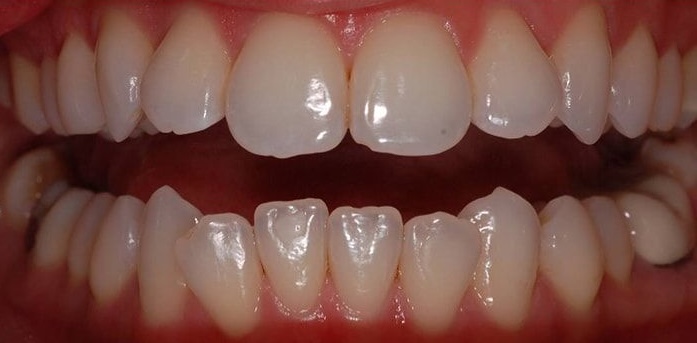 Before
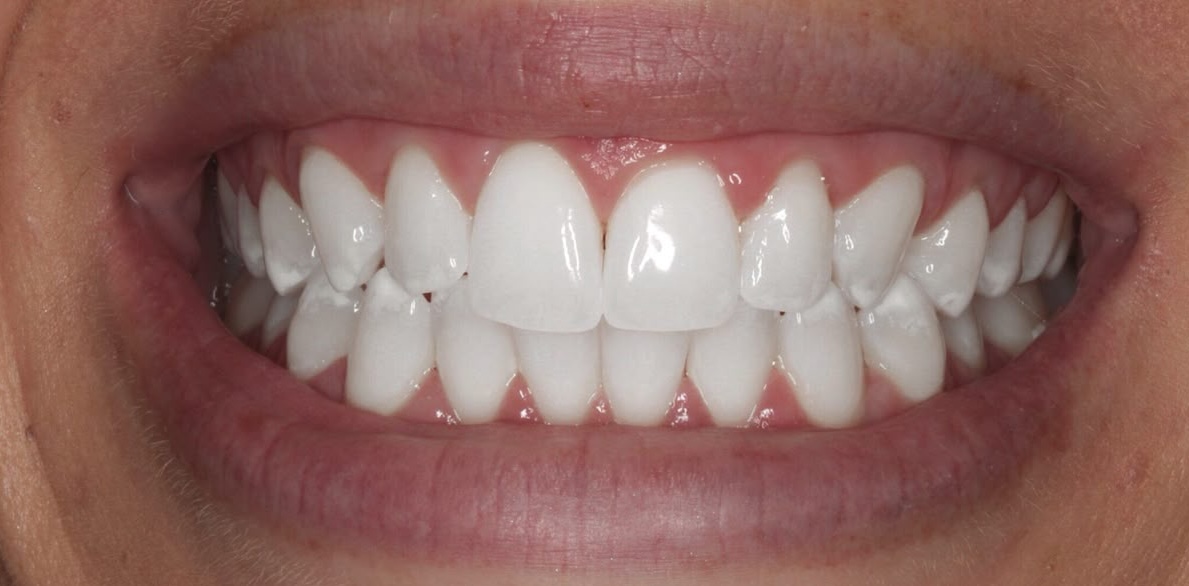 After
After
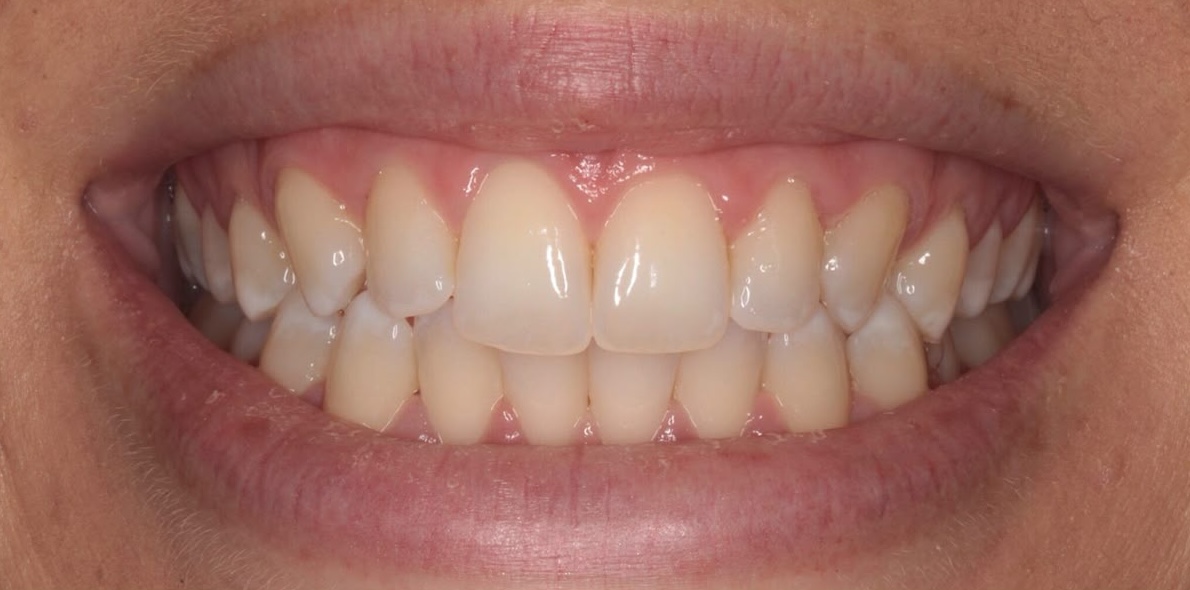 Before
 After
After
 Before
 After
After
 Before
Frequently Asked Questions
Are clear dental aligners painful?
How many hours per day should I wear my aligners?
Can I eat with my aligners in?
Will I need attachments?
What is IPR?
How often will I visit the dentist?
Am I a candidate for clear dental aligners?